
In 2026, the gap between commodity crop margins and specialty crop profits is wider than it has ever been. Corn is projected at just $3.90 per bushel, often below break-even for many U.S. producers. Meanwhile, specialty crops like saffron, mushrooms, and garlic are generating $15,000 to $60,000+ per acre for growers who know what to plant and where to sell it.
So what are the most profitable crops to grow and sell right now? The answer depends on your farm size, your market access, and how much time you can invest before seeing a return. What works on a 3-acre plot with a nearby farmers market looks very different from what makes sense on a 500-acre commercial operation selling wholesale.
This guide ranks the top 10 most profitable plants to grow and sell based on real revenue-per-acre data, growing difficulty, and farm-size fit. Whether you run a 5-acre small farm or manage a commercial operation, you will find crops here that match your setup and your goals.
You will also get a side-by-side comparison table, farm-size recommendations, and a decision framework to help you pick what actually makes sense for your situation.
What Makes a Crop Profitable? Key Factors Every Grower Should Evaluate
Before you pick a crop based on a headline number, you need to understand what actually drives profitability. A crop generating $30,000 per acre sounds incredible until you realize it takes seven years to harvest or needs $15,000 in setup costs. The most profitable farming per acre is never about one number in isolation. It is the relationship between several factors working together.
Here is what to evaluate:
- Revenue per acre (price x yield): A crop can sell for a high price but produce low volume, or sell cheap but yield heavily. You need both sides of the equation.
- Input and production costs: Seeds, soil prep, fertilizers, pest control, irrigation, and post-harvest handling all cut into your margins. Low-cost farming with high profit comes from choosing crops where input costs stay proportionally low.
- Labor intensity: Saffron commands top dollar but demands hand-harvesting 75,000 flowers per pound. Garlic, by contrast, is relatively hands-off after planting. Your labor capacity shapes your options.
- Time to first harvest: Microgreens deliver cash in two weeks. Ginseng takes five to seven years. Your cash flow timeline matters as much as the eventual payout.
- Shelf life and post-harvest flexibility: Crops like garlic store for 6 to 8 months. Microgreens last 5 to 10 days. Storage extends your selling window and protects you from price dips at harvest time.
- Market channel: Direct-to-consumer sales through farmers markets, CSAs, and restaurant accounts can double your effective price compared to wholesale. Your sales channel changes your per-acre math dramatically.
- Scalability: Some crops (garlic, herbs) scale from a quarter-acre to 50 acres. Others (saffron, mushrooms) are profitable only at small-intensive scale.
Note: Selling direct to consumers through farmers markets, CSAs, or restaurant accounts can double your effective price per pound compared to wholesale. That means a crop generating $10,000 per acre at wholesale could become a $20,000 crop with the right sales channel. Your market strategy is just as important as your crop selection.
Keep these seven factors in mind as you read through the top 10. Each crop in this guide is evaluated against them.
Most Profitable Crops at a Glance: Revenue, Difficulty, and Farm Fit
Before diving into the details, here is how the top 10 most profitable crops compare side by side. Use this table as a quick reference, then read the breakdown below for the full picture.
| Rank | Crop | Revenue per Acre | Time to First Harvest | Difficulty | Best Farm Size |
| $1 | Saffron | $25,000 to $60,000+ | First season | High | Small (1 to 5 acres) |
| $2 | Mushrooms | $43,000 to $130,000 | 6 to 8 weeks | High | Any (indoor) |
| $3 | Microgreens | $20,000 to $50,000+ | 7 to 14 days | Medium | Any (indoor) |
| $4 | Ginseng | Up to $30,000 | 5 to 7 years | High | Small-Mid (wooded) |
| $5 | Garlic | $15,000 to $20,000+ | 9 months | Low-Medium | Any |
| $6 | Lavender | $10,000 to $30,000 | 2 to 3 years | Medium | Small-Mid |
| 7 | Cherry Tomatoes | $12,000 to $25,000 | 70 to 85 days | Medium | Small-Mid |
| 8 | Herbs | $8,000 to $15,000 | 3 to 6 weeks | Low | Any |
| 9 | Blueberries | $10,000 to $15,000 | 3 to 5 years | Medium-High | Mid-Large |
| 10 | Leafy Greens | $8,000 to $12,000 | 30 to 60 days | Low-Medium | Small-Mid |
Revenue figures above reflect gross income at realistic market prices. Net profit depends on your labor, land costs, and whether you sell wholesale or direct. Direct-to-consumer pricing can effectively double these numbers.
Top 10 Most Profitable Plants to Grow and Sell
Here we break down each of the 10 most profitable plants to grow and sell. For every crop, you will find real revenue data, what it takes to grow it, and who it is best suited for.
1. Saffron (The World’s Most Expensive Spice)

- Revenue potential: $25,000 to $60,000+ per acre. Retail prices range from $630 to over $11,000 per pound depending on grade.
- Why it ranks #1: Saffron is the most profitable crop per acre by unit price. American-grown saffron commands a premium over imports because buyers can verify quality and origin directly.
- Growing requirements: Saffron comes from Crocus sativus bulbs planted in late summer. It favors warm, dry climates with mild winters and well-drained soil. California and parts of the Pacific Northwest are ideal U.S. growing regions. Bulbs multiply each year naturally, expanding your planting stock without additional seed costs.
- Labor reality: This is where saffron gets challenging. It takes roughly 75,000 flowers to produce a single pound of dried saffron, and every stigma must be hand-picked during a narrow fall harvest window.
- Time to harvest: First-season harvest is possible, making saffron unusual among high-value specialty crops. Most growers see their first usable yield within 6 to 8 weeks of the fall bloom.
- Best fit: Small farms (1 to 5 acres) with access to specialty restaurants, online retail, or local gourmet markets. Not suited for large-scale mechanized farming, but perfect as a high-value addition to a diversified small farm.
2. Specialty Mushrooms (Year-Round Indoor Profits)
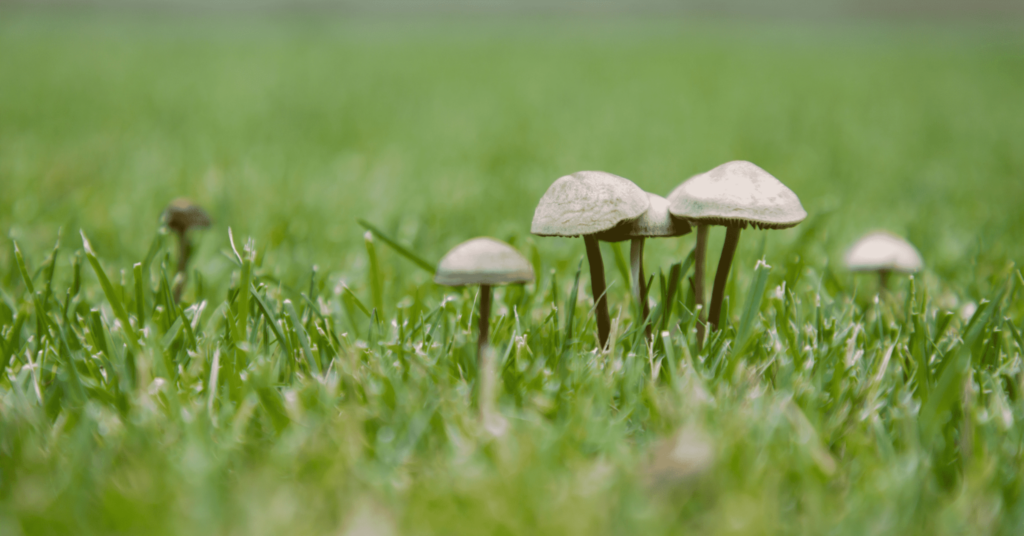
- Revenue potential: $43,000 to $130,000 per acre equivalent (indoor). Wholesale prices for oyster, shiitake, lion’s mane, and maitake range from $8 to $16 per pound.
- Why it ranks high: Mushrooms are one of the few high-profit cash crops you can produce year-round indoors on a surprisingly small footprint. A 500-square-foot indoor setup can gross $72,000 to $120,000 annually.
- Growing requirements: Mushroom production demands a controlled environment with precise humidity (80 to 95%) and temperature regulation. You grow on substrate blocks made from straw, sawdust, or grain. Unlike field crops, mushrooms do not need sunlight or soil, which means you can produce them in basements, shipping containers, or dedicated grow rooms.
- Setup costs: Building a proper production facility runs $150 to $250 per square foot. That is a meaningful upfront investment, but a 500-square-foot indoor setup can gross $72,000 to $120,000 annually once operational.
- Time to harvest: Most specialty mushrooms are ready 6 to 8 weeks after inoculation, and you can cycle multiple flushes from each substrate block. Year-round production is standard.
- Market and shelf life: Mushrooms are highly perishable, typically lasting 5 to 7 days after harvest. That makes proximity to your buyers critical. The economics work best when you sell direct to restaurants, farmers markets, or specialty retailers rather than through wholesale channels where margins compress.
- Best fit: Urban farms, greenhouse operators, and any farm looking to add a winter or off-season revenue stream without needing additional land.
3. Microgreens (Fast Cash, Small Space)
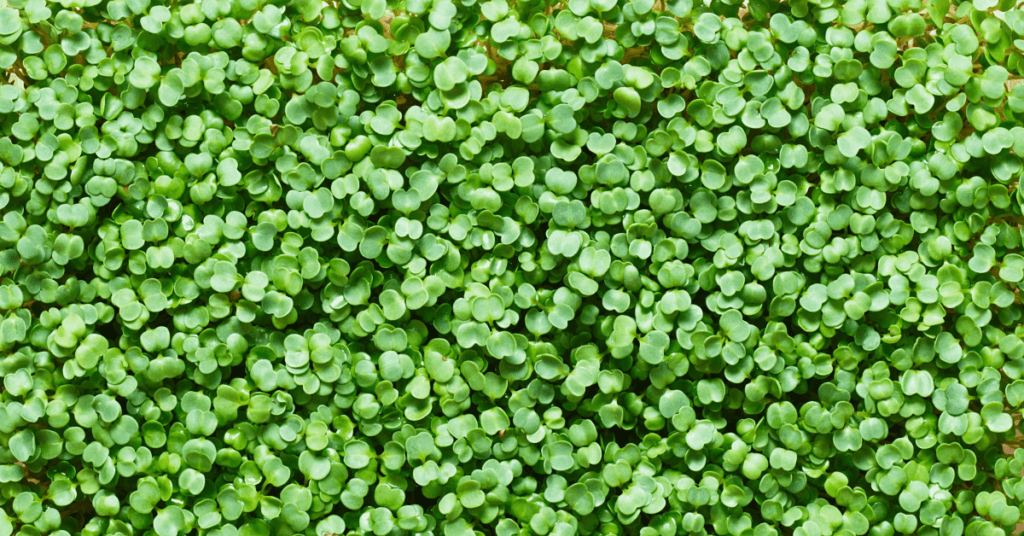
- Revenue potential: $20,000 to $50,000+ per acre equivalent. Retail prices hit $6 to $10 per ounce, making microgreens among the most valuable plants to grow by weight. The U.S. microgreens market was valued at $590 million in 2025 and is growing at 9.3% annually.
- Growing requirements: Microgreens are seedlings of vegetables and herbs harvested 7 to 14 days after germination, when nutrient density is at its peak. You grow them in shallow trays using soilless media under grow lights or natural light. No outdoor land is required. A spare room, garage, or small greenhouse is enough to start.
- Time to harvest: This is the fastest cash crop on the entire list. You can go from seed to sellable product in under two weeks, which means your capital cycles rapidly.
- Market and shelf life: The challenge with microgreens is perishability. Shelf life runs just 5 to 10 days, so you need reliable local buyers lined up before you scale. Strong restaurant relationships are your best margin protector. If you are considering this path, our guide to starting a microgreens business covers the full setup.
- Best fit: Indoor growers, urban farms, and side-hustle operators who can sell direct to restaurants, meal kit companies, or health food stores.
4. Ginseng (The Long-Term Investment Crop)
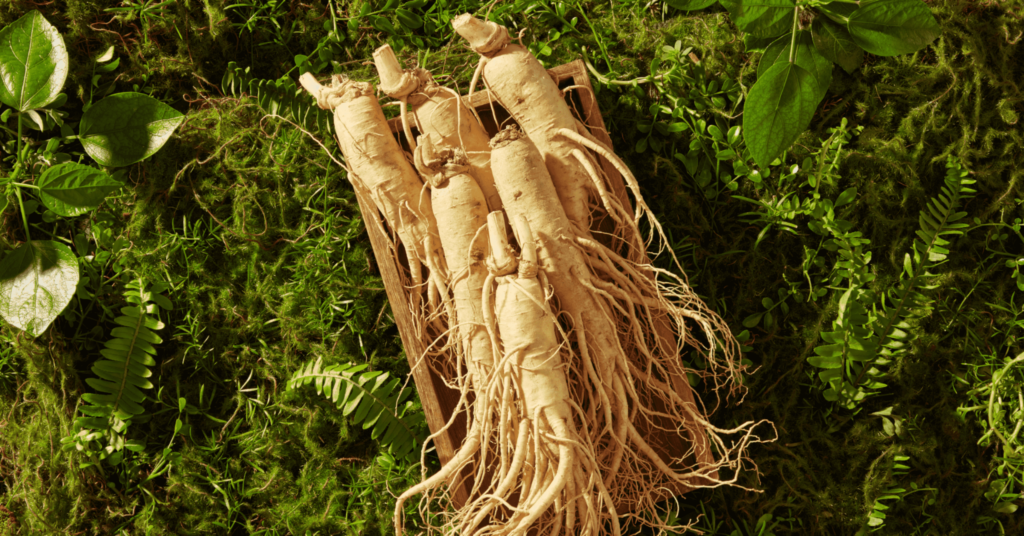
- Revenue potential: Up to $30,000 per acre at maturity. Wild-simulated American ginseng roots command $500 to $1,200 per pound, while cultivated roots sell for $40 to $80 per pound.
- Growing requirements: Ginseng thrives in shaded woodland environments with rich, well-drained soil and consistent moisture. Wild-simulated production, where you plant seeds in natural forest conditions and let them grow with minimal intervention, produces the highest-grade roots. You need existing tree canopy, so this crop pairs well with farms that have wooded acreage.
- Time to harvest: This is the critical factor. Ginseng requires 5 to 7 years before roots reach harvest maturity. Revenue is effectively zero during the entire establishment period, making it a long-term capital investment rather than an annual cash crop.
- Market outlook: The U.S. ginseng market is projected to reach $1.45 billion by 2032, driven primarily by export demand from China and other Asian markets. Strong long-term fundamentals make ginseng a sound investment for patient operators.
- Best fit: Farm owners with existing woodland who can tolerate a multi-year payback. This is not a starter crop. It is best combined with other income streams that cover your costs while the ginseng matures underground.
5. Garlic (The Best All-Around Cash Crop for Any Farm)
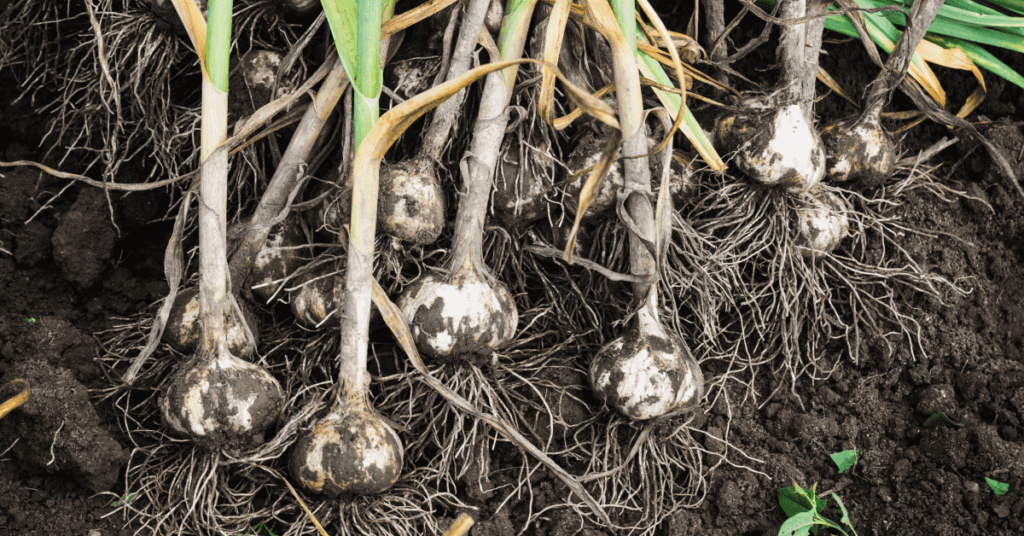
- Revenue potential: $15,000 to $20,000+ per acre. Organic and heirloom varieties sell at significant premiums over conventional garlic.
- Growing requirements: Plant cloves in late fall, mulch beds heavily with straw, and let them overwinter. In spring, remove excess mulch to warm the soil. Garlic needs consistent moisture and clean, weed-free beds. Harvest when roughly 30% of the leaves have yellowed. Proper curing (3 weeks with good airflow) gives garlic its long storage life of 6 to 8 months.
- Time to harvest: About 9 months from fall planting to summer harvest. Scapes (the curly flower stalks) come in early summer as a bonus crop you can sell separately.
- Revenue streams: This is where garlic stands apart. You can sell seed garlic to other growers, fresh garlic at markets, dried garlic, garlic powder, scapes, and even black garlic as a value-added product. Few crops offer this many sales channels from a single planting.
- Storage advantage: Garlic prices typically drop 15 to 25% during the fall harvest glut. Growers who can store properly and sell through winter and spring consistently achieve better average prices. Good farm inventory management makes this strategy work.
- Best fit: Any farm size, from a backyard plot to a 50-acre commercial operation. This is arguably the most accessible entry point into high-value crop production for new growers.
6. Lavender (Where Agriculture Meets Agritourism)

- Revenue potential: $10,000 to $30,000 per acre through a combination of dried flowers ($6 to $30 per pound), essential oil ($400 to $2,000 per acre), and value-added products like sachets, soaps, and culinary lavender.
- Agritourism multiplier: The highest-margin lavender operations combine product sales with u-pick events, farm tours, and on-site retail. This model can push revenue well beyond the per-acre estimates.
- Growing requirements: Lavender needs well-drained soil, full sun, and is drought-tolerant once established. It does not tolerate wet feet, so raised beds or sloped terrain work best. True lavender (Lavandula angustifolia) commands the best culinary prices, while lavandin hybrids produce significantly higher yields of dried flowers and essential oil.
- Time to harvest: Expect 2 to 3 years before plants reach full production. First-year harvests are light but possible.
- Best fit: Small-to-mid farms with direct consumer access and an interest in building an experience-based brand alongside crop sales.
7. Cherry Tomatoes (High Margin, High Demand)
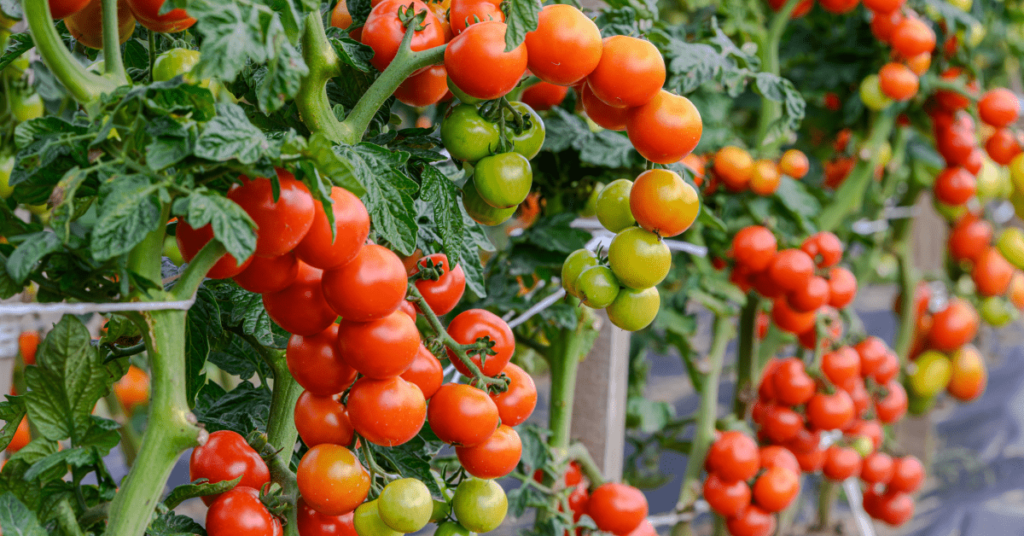
- Revenue potential: $12,000 to $25,000 per 100-foot bed over a full season. Farmers market prices run $8 to $12 per pound. Restaurants pay premium rates for a consistent supply of vine-ripened, multi-colored varieties.
- Growing method: High-wire trellising inside tunnels or greenhouses is the standard method for commercial production. Train plants to a single or double leader, prune lower leaves weekly for airflow, and use drip irrigation with consistent fertigation. Balanced fertility is key since too much nitrogen produces leafy vines with little fruit.
- Why greenhouse matters: Field tomatoes give you 6 to 8 weeks of harvest in most climates. Greenhouse production extends that to 4 to 6 months, with far better disease control and fruit quality. That extended season is what makes this crop so profitable. Learn more in our greenhouse farming guide.
- Time to harvest: 70 to 85 days from transplant to first pick. Once production starts, you need to harvest every 2 to 3 days to prevent over-ripening and maintain quality.
- Labor intensity: This is a high-touch crop. Pruning, trellising, monitoring for pests like spider mites and whiteflies, and frequent picking all require consistent labor. But the returns per labor hour are among the best for any vegetable crop.
- Best fit: Small-to-mid farms with greenhouse infrastructure and direct market or restaurant accounts.
8. Herbs (Quick Turnaround, Steady Income)
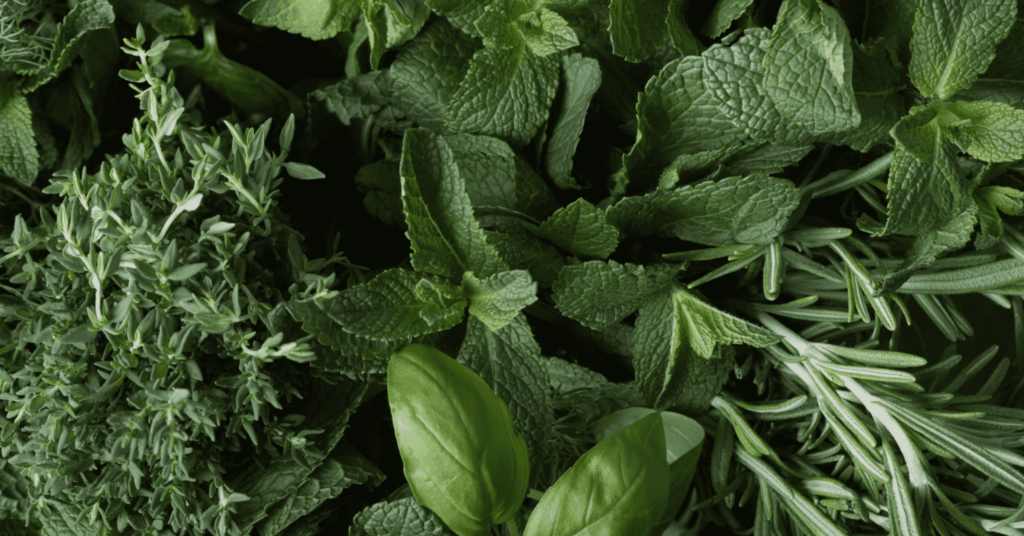
- Revenue potential: $8,000 to $15,000 per acre. Restaurant-grade herbs fetch the highest prices, especially when sold as living plants or fresh-cut bundles with roots attached.
- Growing requirements: Most culinary herbs are undemanding. They need decent soil, consistent moisture, and adequate sunlight. You can grow them in field rows, raised beds, greenhouses, or hydroponic setups. Indoor production under grow lights is also viable year-round.
- Time to harvest: Most herbs are harvestable in 3 to 6 weeks from seeding, and many allow 2 to 4 cuts per planting before you need to reseed. That fast turnaround keeps cash flowing continuously through the season.
- Top earners: Basil leads the pack. Cilantro, dill, chives, and specialty varieties like Thai basil and lemon verbena round out a profitable herb program.
- Value-add options: Dried herb blends, potted herbs at farmers markets, and herb bundles for CSA boxes all increase your margin per unit.
- Best fit: Any scale. Herbs pair well with other crops in a diversified rotation, filling bed gaps between longer-cycle plantings and generating income while your primary crops establish.
9. Blueberries (Premium Fruit with Long-Term Returns)
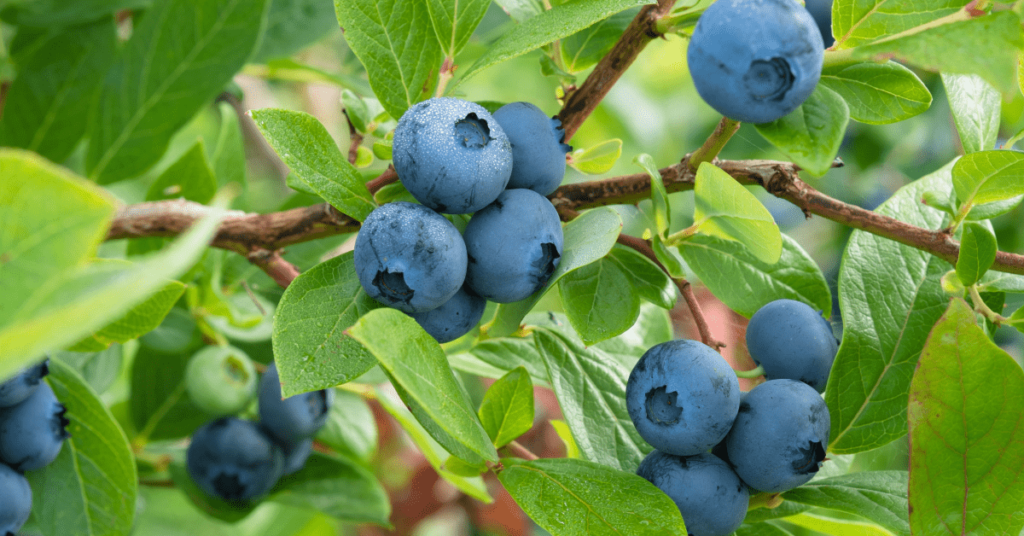
- Revenue potential: $10,000 to $15,000 per acre once established. Retail prices range from $1.84 to $5.50 per pound depending on variety, region, and whether you sell wholesale or direct.
- Growing requirements: Blueberries need acidic soil (pH 4.5 to 5.5), consistent irrigation, and full sun. Highbush varieties are the commercial standard in most U.S. regions. Mulching with pine bark or sawdust helps maintain soil acidity and moisture. Netting is essential during fruiting to protect against birds.
- Establishment costs and timeline: This is where blueberries require commitment. Establishment costs run $10,000 to $38,600 per acre, and plants need about 5 years to reach full production. Positive returns typically start in year 5 or 6. Building a solid farm budget plan is essential to survive the establishment period.
- U-pick advantage: U-pick operations shift harvest labor costs to your customers and enable retail pricing rather than wholesale. Many successful blueberry farms generate 40 to 60% of their revenue through u-pick during peak season.
- Best fit: Mid-to-large farms with the capital and patience for a 5-year establishment period.
10. Leafy Greens (The Backbone of Market Farming)
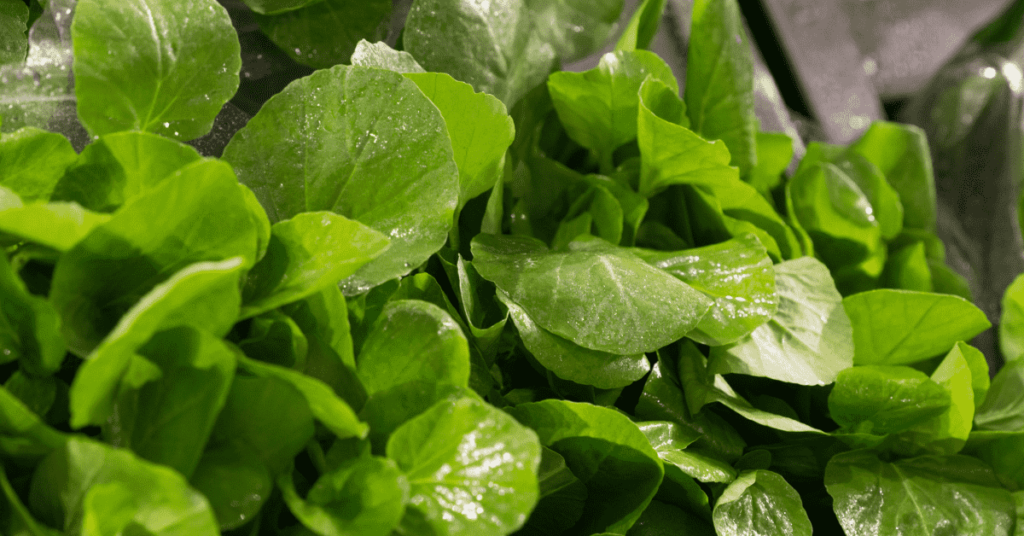
- Revenue potential: $8,000 to $12,000 per acre. Premium mesclun sells at $8 to $12 per pound retail.
- Growing requirements: Leafy greens thrive in cool weather (spring and fall are peak seasons), but year-round production is achievable with season extension tools like low tunnels, row covers, and unheated greenhouses. Seed densely (12 rows per 30-inch bed is standard) and maintain consistent moisture. Shade cloth in summer prevents bolting and bitterness.
- Time to harvest: 30 to 60 days for most varieties. You can typically get 2 to 3 cuts per planting before reseeding. That turnover rate makes leafy greens one of the most productive crops per square foot per season.
- Operations: Succession planting every 10 to 14 days ensures uninterrupted supply, which is the single most important factor for holding restaurant accounts and CSA commitments. Effective crop rotation keeps your soil healthy and yields consistent across seasons.
- Key varieties: Salanova lettuce for mesclun mixes, arugula for peppery bite, spinach for cool-season production, and baby kale for nutrient-dense blends. Mixing colors and textures in your bags increases perceived value and justifies premium pricing.
- Best fit: Small-to-mid farms focused on farmers markets, CSA programs, or restaurant direct sales.
Most Profitable Crops for Small Farms (Under 10 Acres)
If you are farming on limited acreage, you actually have a built-in advantage when it comes to the most profitable crops for small farms. You can sell direct to consumers (skipping the wholesale margin cut), manage labor personally, and rotate high-value cash crops for small farms intensively across your beds.
Here are the best picks from the top 10 specifically for small farm operators:
- Garlic (1 to 3 acres): The lowest-barrier, highest-return crop for beginners. Plant in fall, harvest in summer, sell through winter. At $15,000+ per acre, even a single acre can generate meaningful income.
- Microgreens (indoor, any scale): No land needed. A spare room, garage, or small greenhouse is enough. Revenue starts in two weeks.
- Herbs (0.5 to 2 acres): Fast turnaround, multiple cuts, and strong restaurant demand. Basil alone can anchor a profitable herb program.
- Leafy greens (1 to 2 acres): High turnover, steady demand, and relatively forgiving for new growers. The backbone of any direct-market farm.
- Cherry tomatoes (greenhouse): If you have even a single high tunnel, greenhouse tomatoes can become your highest-earning crop per square foot.
The 5-acre example: On 5 acres, a diversified mix of garlic (1.5 acres), leafy greens (1 acre), herbs (0.5 acre), and greenhouse tomatoes (0.5 acre) can gross $50,000 to $80,000 with direct-to-consumer sales. This approach also protects your income if one crop underperforms in a given season.
The 10-acre example: With more room, add 2 acres of lavender or blueberries as a long-term investment alongside your quick-cash crops. This balances immediate revenue with asset building for future years.
The critical rule for small farms: prioritize crops with fast turnover and direct market channels over long-establishment crops like ginseng or blueberries. Unless you have other income to bridge the gap during those establishment years, quick-cash crops should form your foundation while you build toward longer-term assets.
Most Profitable Vegetables to Grow and Sell
Not every profitable crop is exotic or niche. The most profitable vegetables to grow remain some of the best cash crops available when you grow them with the right strategy and sell through the right channels.
Here is where traditional vegetables stand:
- Cherry and heirloom tomatoes (greenhouse): The top vegetable earner on this list. Greenhouse production extends your season and multiplies your yield compared to field growing. Revenue can reach $25,000 per 100-foot bed.
- Leafy greens (mesclun, arugula, spinach): Fast cycles, multiple harvests, and year-round potential with season extension. The workhorse of any market garden.
- Garlic: Technically a vegetable, and one of the most valuable plants to grow. The storage advantage alone sets it apart from most fresh produce.
- Peppers (sweet and specialty hot): High-value when grown in color (red, orange, yellow) rather than green. Specialty hot peppers command premium pricing at farmers markets.
- Carrots: An early-market premium crop. Being the first grower at market with fresh bunched carrots in spring builds customer loyalty that lasts all season. Practices to increase crop yields can significantly boost your carrot production.
- Beets: Selling beets with their lush green tops attached doubles the perceived value. Roots plus greens equals two products from one crop.
The key insight with vegetables: They win on volume, repeat customers, and market consistency. They may not hit $60,000 per acre like saffron, but they deliver steady weekly revenue that compounds over a full growing season. Per-acre returns for well-managed vegetable operations typically range from $8,000 to $25,000.
Another advantage of traditional vegetables is market resilience. Restaurant and retail demand for fresh, locally grown produce stays strong even during economic downturns. People always need to eat, and the premium for local and fresh has only grown over the past decade. Keeping your plants healthy through proper irrigation systems and monitoring for common plant diseases directly protects your bottom line.
How to Choose the Right Profitable Crop for Your Farm
Revenue-per-acre numbers are compelling, but picking the wrong crop for your situation turns a profitable crop into a money pit. Here is a practical decision framework:
- Assess your land and climate: Match crop requirements to what you already have. Saffron and lavender demand excellent drainage and full sun. Mushrooms and microgreens need indoor space. Do not fight your environment.
- Secure buyers before you plant: This is the single most common mistake. The highest-value crops require established market relationships. Identify your restaurants, farmers markets, CSA members, or online channels first.
- Calculate your real cost per acre: Include land prep, inputs, labor, irrigation, post-harvest handling, and marketing costs. Revenue per acre is meaningless without cost context. Our guide on farm cash flow and budgeting can help you build those numbers.
- Match cash flow to your timeline: If you need income this season, choose microgreens, herbs, or leafy greens. If you can wait 5+ years, ginseng or blueberries offer larger eventual payoffs.
- Start small, validate, then scale: Test a quarter-acre or a single greenhouse bay before committing major resources. Proving demand at small scale protects you from expensive mistakes.
- Stack revenue streams: Grow 2 to 3 complementary crops that cover different seasons and markets. Garlic plus leafy greens plus herbs, for example, gives you fall planting income, spring-through-fall harvest revenue, and year-round selling opportunities.
- Use technology to track actual profitability: Gut feelings about which crop “does well” are not enough. Track cost per crop, yield per bed, and revenue per sales channel. Data-driven decisions separate profitable farms from struggling ones.
The bottom line: Profitable farming is not about chasing the crop with the highest headline number. It is about finding the 2 to 3 crops where your land, your labor, and your market all line up. Get that alignment right, and even “ordinary” crops become extraordinary earners.
How Agtech Helps Farmers Maximize Crop Profitability
Choosing the right crop gets you started. Managing it profitably over time requires data. Here is where farm ERP software and precision agriculture technology make a measurable difference:
- Per-crop cost and revenue tracking: Know exactly which crop generates the best return on your farm, not just in theory. Real data from your own operation beats any industry average.
- Crop rotation and succession planning: Avoid planting gaps that leave beds empty and revenue on the table. Software-driven scheduling keeps your high-value crops cycling without interruption.
- Yield monitoring against benchmarks: Compare your per-bed or per-acre yields against targets. When a crop underperforms, you catch it early enough to adjust.
- Labor and resource forecasting: Predict when your labor-intensive crops (tomatoes, mushrooms, saffron) will peak and allocate crew time before bottlenecks hit.
- Inventory management for storage crops: Garlic, root vegetables, and dried products need proper storage tracking. Selling stored garlic in February at premium winter prices only works if you know exactly what you have and where it is stored.
The farms that consistently outperform are the ones that treat profitability as a measurable outcome, not a feeling. Whether you are starting a new farm operation or looking to improve productivity on an existing one, integrating the right technology from the start gives you a serious edge over competitors who rely on spreadsheets and memory.
This is exactly where Folio3 AgTech’s farm management solutions come in. Built specifically for crop farms, greenhouses, and nurseries, the platform brings your cost tracking, yield data, and sales channels into one system instead of scattered spreadsheets.
Case Study:Take True Leaf Market, a seed and gardening company that turned to Folio3 AgTech to streamline its operations and gain real-time visibility into performance across its product lines. That same level of visibility is what separates farmers guessing at profitability from farmers who know it, crop by crop, season after season.
Grow What Pays, Not Just What Grows
The most profitable crops are not always the most common ones. Profitability comes from matching the right crop to your land, your market, and your capabilities. Specialty crops can deliver 10 to 50 times the per-acre returns of commodity farming, but they require market access, management discipline, and a willingness to sell direct.
Start by picking 2 to 3 crops from this list that fit your farm size and climate. Secure your buyers. Run a small test. Track your real costs and revenue from day one. Then scale what works.
The farmers who consistently make money are not the ones growing the most expensive crop. They are the ones who chose the right crop for their context, found their buyers early, tracked their numbers, and adjusted every season. That discipline, backed by the right tools and data, is what separates farms that survive from farms that thrive.
For farmers ready to move from gut-feel decisions to data-driven crop planning, smart farming technology can turn good crop choices into consistently profitable operations, season after season. Book a free consultation with our Agtech experts and see how the right technology can turn your crop decisions into measurable returns.
FAQs
What Crop Makes The Most Money?
By revenue per acre, saffron and specialty mushrooms top the list. Saffron can gross $25,000 to $60,000+ per acre, while indoor mushroom operations can reach $130,000. However, “most money” depends on your scale, market access, and cost structure. For most small-to-mid farms, garlic and greenhouse tomatoes offer the best balance of high revenue and manageable complexity.
What Is The Most Profitable Crop For A Small Farm?
Garlic is the most accessible high-profit crop for small farms. It requires low-to-medium effort, generates $15,000 to $20,000 per acre, stores for months, and has multiple sales channels. Microgreens and herbs are also strong options if you have indoor growing space and established local restaurant relationships.
What Are The Most Profitable Greenhouse Crops?
Cherry tomatoes, heirloom slicer tomatoes, cucumbers, and specialty mushrooms are the top greenhouse earners. A single 100-foot greenhouse bed of cherry tomatoes can generate $12,000 to $25,000 over a full season. Indoor mushroom operations can exceed $100,000 per acre equivalent in controlled environments.
What Is The Best Crop To Grow On 5 Acres?
On 5 acres, diversify across 2 to 3 high-value crops. A practical mix of garlic (1.5 acres), leafy greens (1 acre), herbs (0.5 acre), and greenhouse tomatoes can gross $50,000 to $80,000 with direct-to-consumer sales. Avoid monocropping on small acreage since diversity protects your income if one crop underperforms.
What Is The Most Profitable Type Of Farming?
Specialty crop farming focused on direct-to-consumer sales is the most profitable model per acre. Farms growing high-value crops like saffron, mushrooms, garlic, and greenhouse vegetables and selling through farmers markets, CSAs, or restaurant accounts consistently outperform commodity grain operations on a per-acre basis.
What Is The Best Crop To Grow On 10 Acres?
With 10 acres, combine specialty crops with mid-scale production. Consider 3 to 4 acres of garlic, 2 acres of lavender or blueberries as a long-term investment, 2 acres of vegetable production (greens, tomatoes, peppers), and 2 acres of herbs or cut flowers. This mix balances quick cash flow with long-term asset building.
What Is The Easiest Crop To Grow For Profit?
Garlic and leafy greens (arugula, mesclun) are the easiest profitable crops. Garlic needs minimal care after planting and sells at premium prices. Leafy greens grow fast (30 to 60 days), tolerate beginner mistakes, and have strong demand at farmers markets. Both are ideal starting points for new growers.
What Is The #1 Money-Producing Crop In The U.S.?
By total production value, corn is the largest crop in the U.S. with over $50 billion in annual value. But corn generates thin margins for most farmers, often negative returns per acre at current prices. By profitability per acre, specialty crops like saffron, mushrooms, and garlic far outperform commodity crops for individual farm income.