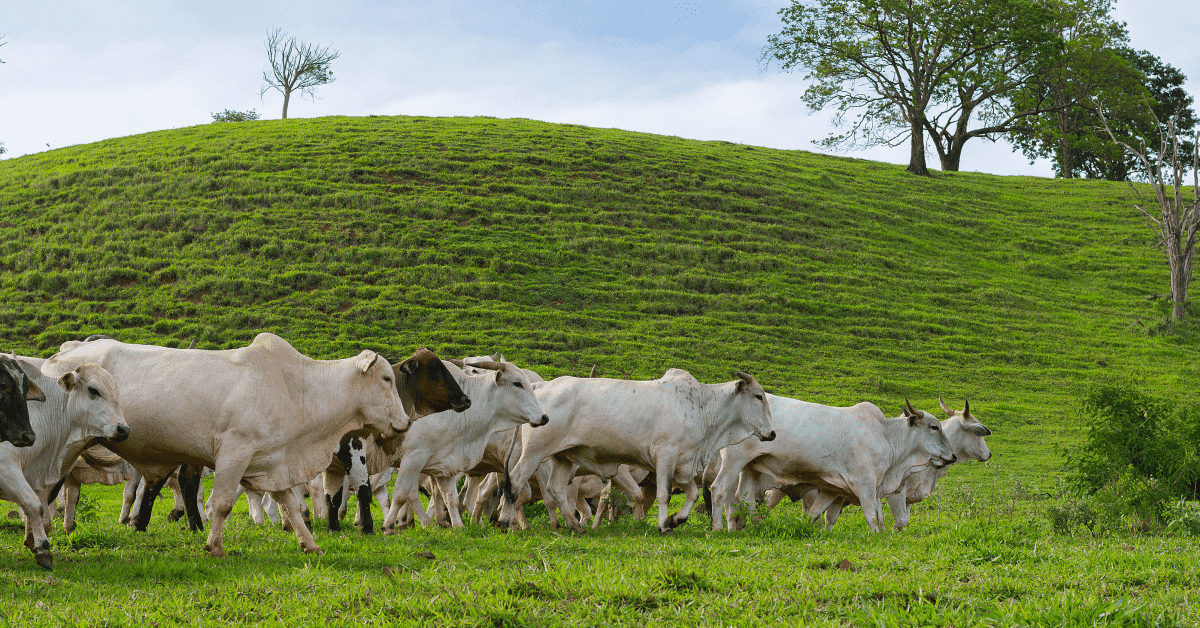
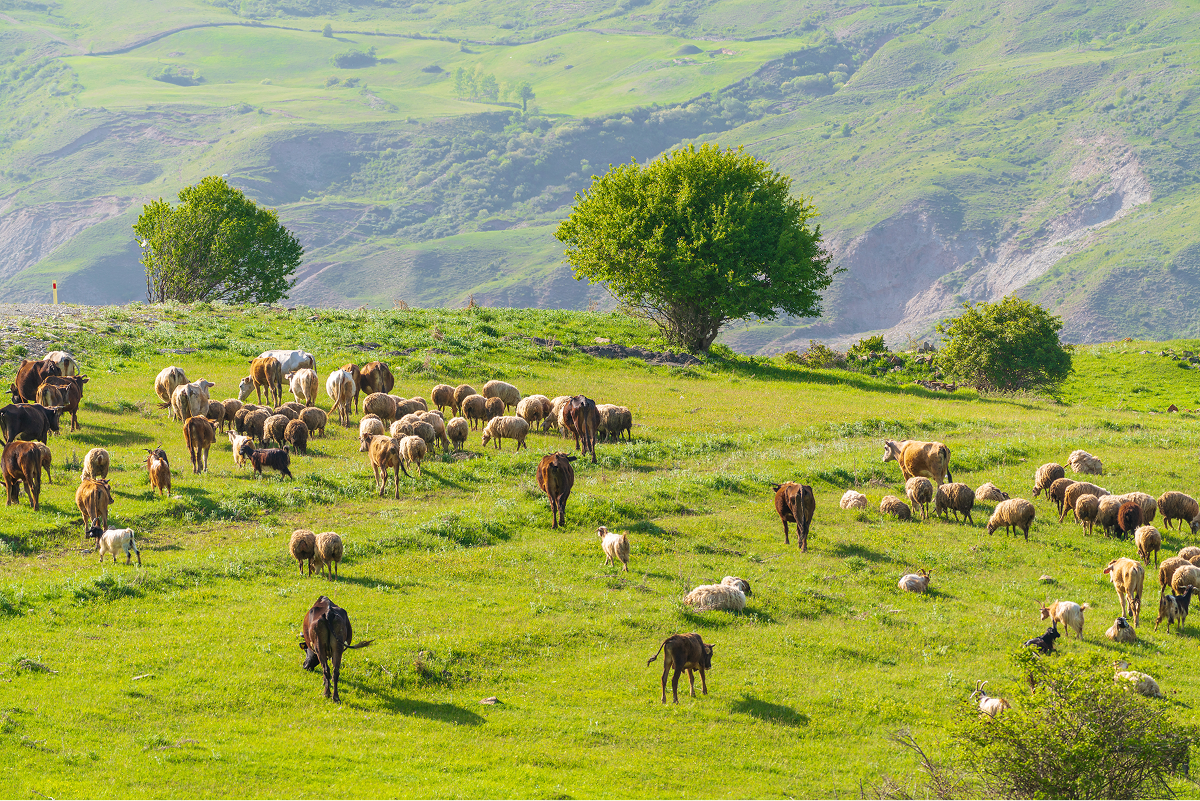

Multi species grazing is the practice of grazing two or more livestock species, such as cattle, sheep, and goats, on the same pasture, either simultaneously or in sequence. The goal is to use the full forage profile of your pasture rather than letting one species pick through the same plants while weeds and brush take over unchecked.
If you are running a beef cattle operation, you already know the pressure. Land costs are climbing. Herbicide bills keep growing. Drought cycles hit harder every year. That is exactly why more ranch managers are moving away from single-species monoculture grazing toward mixed crop and livestock farming models that put different animals to work on the same ground.
This guide walks you through the science of forage complementarity, the real economic ROI of multi species grazing, practical infrastructure challenges, and step-by-step rotational protocols you can start using this season.
The Science of Forage Complementarity: How Different Species Graze
The concept behind this is niche complementarity. Cattle, sheep, and goats are all ruminants, but their anatomy and dietary preferences are distinct enough that they rarely compete for the same forage when managed properly. Cattle wrap their tongues around tall grasses and shear them off at 3 to 4 inches. Sheep nibble close to the ground with a split upper lip, targeting broadleaf weeds and short grasses. Goats browse upright, stripping leaves off woody stems and brush.
Here is how those preferences break down:
| Livestock Species | Primary Diet Preference | Anatomical Grazing Style | Target Pasture Vegetation |
| Beef Cattle | 70% Grass, 15% Forbs, 15% Browse | Wrap tongue around tall forage | Tall grasses, legumes, clover |
| Sheep | 50% Grass, 30% Forbs, 20% Browse | Nibble close to ground with split upper lip | Broadleaf weeds, ragweed, short grasses |
| Goats | 30% Grass, 10% Forbs, 60% Browse | Upright browsing; strip leaves from woody stems | Brush, brambles, multiflora rose, sericea lespedeza |
Source: University of Minnesota Extension
When you layer these preferences across one pasture, every plant gets grazed. Nothing is wasted, and nothing gets the chance to dominate.
5 Top Benefits of Multi Species Grazing for Commercial Ranches
The financial and agronomic gains of mixed livestock grazing go well beyond “using more of your grass.” Here is what the research actually shows.
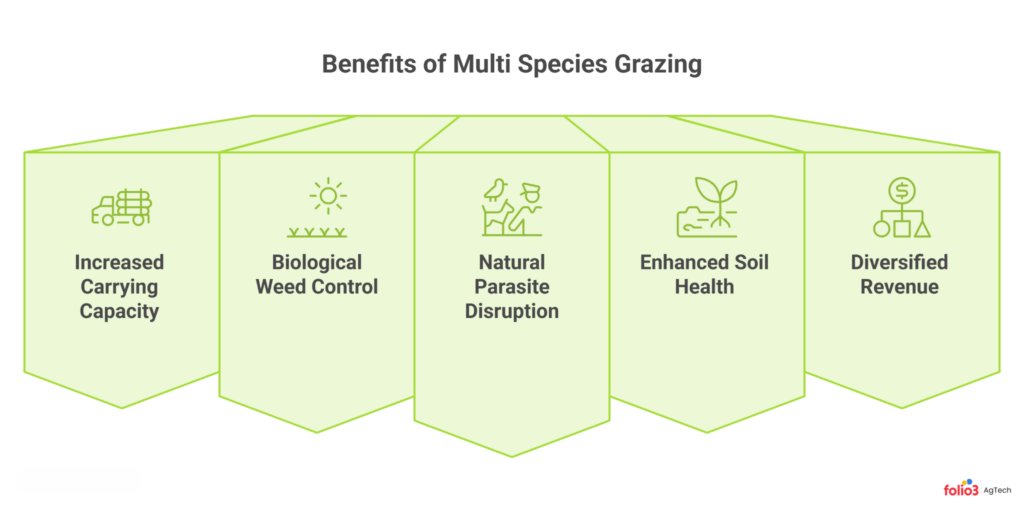
1. Increased Carrying Capacity and Pounds Per Acre
When you add sheep or goats to an existing cattle operation, you are not splitting the same forage between more mouths. You are tapping forage your cattle would never eat. For every cow on the operation, one ewe could be added with no reduction in cattle stocking rates. That translates to a roughly 24% increase in total meat production per acre compared to a cattle-only operation. Research goes further, showing that a 1:1 ratio of cattle to sheep can increase net return per animal unit by up to 65%.
2. Biological Weed and Brush Control
Sheep and goats actively seek out the plants you are paying to spray. Ironweed, spotted knapweed, blackberry, kudzu, leafy spurge, multiflora rose: these are not problems for small ruminants; they are forage. Instead of spending on herbicide applications, you are converting weed biomass into marketable animal protein. This approach fits well within broader regenerative soil practices that prioritize biology over chemistry.
3. Natural Parasite Disruption (The “Vacuum” Effect)
Gastrointestinal parasites like the barber pole worm (Haemonchus contortus) devastate sheep flocks, but they cannot survive in a bovine rumen. When cattle graze a paddock after sheep, they consume parasite larvae on the forage, and those larvae hit a biological dead end. The cattle essentially vacuum the pasture clean. It dramatically reduces your dependence on chemical dewormers, which is critical as resistance to anthelmintics grows across the industry.
4. Enhanced Soil Health and Carbon Sequestration
Different species deposit different manure nutrient profiles. Cattle manure is heavier in nitrogen. Sheep manure concentrates phosphorus and potassium differently. When diverse hooves and diverse waste hit the same ground, you stimulate a broader range of soil microbial activity and root growth. Diversified livestock grazing enhances mineral-associated organic carbon in soils, and it ties directly into larger soil erosion control and climate resilience strategies.
5. Diversified Revenue and Cash Flow
Relying on a single calf crop once a year means one shot at revenue. Adding small ruminants opens additional cash flow windows. Market lambs can be sold 6 months offset from your annual calf crop. Goat kids reach market weight in 3 to 4 months. Hair sheep breeds like Dorpers can produce three lamb crops in two years. This kind of stacking makes your ranch more resilient against commodity price swings, and it supports overall cattle ranching profitability.
The Real-World Challenges (And How to Solve Them)
Multi-species grazing is not plug-and-play. Here are the friction points you will hit and the modern solutions that make them manageable.
Fencing Infrastructure
Your standard 1 to 2 strand barbed or electric wire holds cattle just fine. It will not hold sheep or goats for even a day.
The Fix: Upgrade your perimeter fences to 5 to 7 strand high-tensile electric wire or net wire. For interior paddock divisions, portable electric netting works well for small ruminant rotations. Virtual fencing collars on cattle offer another option if you want to keep cattle off specific zones without additional physical fence. For more on fencing options, see our livestock fencing guide.
Predator Pressure
Small ruminants are highly vulnerable to coyotes, stray dogs, and in some regions, mountain lions. A single night without protection can wipe out a season of lambs.
The Fix: Livestock Guardian Dogs (Great Pyrenees, Anatolian Shepherds) are the gold standard. Guard donkeys and llamas are lower-maintenance alternatives. It is also worth noting that cattle themselves serve as a visual and physical deterrent when bonded in a “flerd” (flock plus herd). Running species together reduces predation risk significantly.
Mineral Management (Copper Toxicity)
Standard beef cattle minerals contain copper levels that are lethal to sheep. Copper accumulates in sheep livers and can cause sudden death, even weeks after exposure.
The Fix: You have two options. First, feed sheep-safe minerals across the entire group (works well in herd systems). Second, use creep-feeding gates sized so only small ruminants can access their specific mineral feeders, and deliver copper to cattle separately through slow-release rumen boluses. Proper livestock feed formulation and species-specific supplementation are non-negotiable here.
Simultaneous vs. Sequential: Choosing the Right Grazing Method
Not every ranch is set up for the same approach. Your labor, pasture layout, and comfort level will determine which multi-species rotational grazing method fits best.
Simultaneous Grazing (The “Flerd” Method)
This approach runs cattle, sheep, and/or goats together as one single mob across paddocks.
Pros: You only need one water source and one paddock move per rotation. Mob density is maximized, which is ideal for regenerative grazing impact. Animal bonding (imprinting young lambs and calves together from an early age) builds natural predator protection within the group.
Cons: You must commit to universal sheep-safe mineral management. All health and nutrition protocols must be compatible across species. Bonding takes time and planning.
Sequential Grazing (The Leader-Follower Method)
This approach moves one species through a paddock first, followed by the second species 2 to 4 days later in a multi species rotational grazing sequence.
The best sequence works like this:
- First pass (cattle): Cattle enter the paddock to harvest tall grasses and expose underlying weeds and forbs.
- Second pass (sheep or goats): Small ruminants follow to clean up broadleaf weeds, browse, and parasite-laden bottom forage.
- Optional third pass (poultry or pigs): Poultry spread manure pats and consume fly larvae. Pigs root and aerate compacted areas.
Pros: You can customize nutritional and health management per species. Zero risk of mineral cross-contamination. Easier to manage vaccination schedules independently. This method pairs well with a structured rotational grazing schedule.
Cons: Requires more paddock infrastructure and water points. Higher labor for multiple moves.
Best Practices for Setting Up a Multi Species Rotational Grazing System
Ready to make the shift? Here is a step-by-step checklist to keep your transition structured and low-risk.
Step 1: Audit Your Forage Base
Walk your pastures and estimate the percentage of grass versus weeds versus brush. If your pastures are weed-heavy, a 1:1 cattle-to-sheep ratio is a good starting point. If you are fighting heavy brush (multiflora rose, cedars, brambles), a 1:2 cattle-to-goats ratio will give you faster results.
Step 2: Start Small and Scale
Add small ruminants at 10 to 15% of your cattle stocking rate in Year 1. It gives you time to test your fencing, waterer ergonomics, and mineral management. One important detail: ensure water troughs have escape ramps or rocks for small lambs. Standard cattle troughs are a documented drowning risk for lambs.
Step 3: Enforce Minimum Residual Heights
Never graze below 4 to 6 inches. The majority of parasite larvae live on the bottom 2 inches of forage. Maintaining residual height protects livestock health and accelerates pasture recovery between rotations.
Step 4: Leverage Agtech and Rotational Software
Leverage livestock management software to track rest periods (aim for 30 to 45 days of recovery per paddock) and monitor multi-species carrying capacities dynamically. Digital tools let you log species-specific health events, vaccination records, and feed management data across all species from one platform rather than juggling separate spreadsheets.
Conclusion
Multi species grazing is not an experiment anymore. It is a proven, high-ROI strategy for ranch managers looking to maximize output while reducing input costs. The data is clear: more pounds per acre, lower herbicide bills, fewer parasite treatments, healthier soil, and diversified revenue streams.
The shift does not have to be dramatic. Start with a small test flock. Audit your pastures. Upgrade one section of fencing. Use modern livestock management tools to track what is working and what needs adjustment.
Ready to Scale Your Pasture Profitability? Book a free consultation with our Agtech experts today to develop a digital solution specifically for your ranch’s topography and operational goals
FAQs
Can You Graze Cattle and Sheep Together Without Any Issues?
Yes, cattle and sheep can graze together successfully when you manage mineral supplementation carefully. The primary risk is copper toxicity in sheep from cattle minerals. Use sheep-safe minerals for the whole group or separate feeding stations with creep gates.
What Is the Best Cattle-to-Sheep Ratio for Multi Species Grazing?
A 1:1 ratio of cattle to sheep is a widely recommended starting point for mixed-grass pastures. Adjust based on your forage composition: heavier weed pressure calls for more sheep, while brush-heavy pastures benefit from adding goats at a 1:2 cattle-to-goat ratio.
Does Multi Species Grazing Really Reduce the Need for Chemical Dewormers?
It does. Most gastrointestinal parasites are host-specific. When cattle consume sheep parasite larvae during grazing, those larvae cannot complete their life cycle. This biological dead-end breaks the parasite reinfection cycle and lowers your reliance on anthelmintic treatments.
How Much Additional Fencing Investment Does Multi Species Grazing Require?
Expect to upgrade perimeter fencing to 5 to 7 strand high-tensile electric or net wire. Interior paddock divisions can use portable electric netting for around $1 to $2 per foot. The fencing investment typically pays for itself within 1 to 2 grazing seasons through added small ruminant revenue.
Is Multi Species Grazing Practical on Ranches Under 200 Acres?
Absolutely. Smaller operations often see the fastest ROI because you can control variables more easily. Start with 10 to 15 sheep or goats on your best-fenced pasture, and expand once you have your rotation timing and mineral management dialed in.
What Breeds of Sheep Work Best Alongside Beef Cattle on Western Rangelands?
Hair sheep breeds like Dorpers and Katahdin are popular choices for multi species operations. They do not require shearing, tolerate heat well, and have stronger natural parasite resistance than traditional wool breeds. Their faster market-ready timeline also complements beef cattle cash flow cycles.