
Every open cow in your herd is eating feed, using pasture, and generating zero revenue. With annual cow-calf operating costs estimated at $950 per cow in the northern Great Plains alone, reproductive failure is not just a breeding problem. It is a direct hit to your bottom line.
This guide walks you through the complete beef cattle reproduction cycle, from estrus detection to calving, nutrition to advanced AI strategies, and the economics that tie it all together. Whether you run a 50-head cow-calf operation or manage a large-scale feedlot, the goal stays the same: one live calf per cow, every year.
The Basics of Beef Cattle Reproduction Cycle
Your beef cattle reproduction cycle is the biological clock behind your entire calf crop. Understanding it helps you time breeding, catch problems early, and plan your calving season with confidence.
The Estrous Cycle and Standing Heat
A cow’s estrous cycle runs roughly 21 days. During this cycle, hormonal shifts prepare her body for ovulation and potential pregnancy. The window that matters most to you is estrus, commonly called standing heat, when the cow is receptive to breeding.
Standing heat typically lasts around 15 hours, though this can vary. The signs are straightforward if you know what to look for. A cow in heat will stand still when mounted by herd mates. She may show restlessness, increased vocalization, a swollen vulva, and clear mucus discharge. You might also notice the chin resting on other cows, frequent mounting attempts, or reduced feed intake.
Recognizing these signs of cows in heat early is important because the best time to breed is 12 to 18 hours after standing heat begins. Miss that window, and you wait another 21 days.
Gestation and the Calving Window
Once a cow conceives, the gestation period for cows averages about 283 days, though this varies slightly by breed. Angus cows, for example, tend to calve a few days earlier than Charolais or Simmental crosses.
During the final trimester, the calf gains roughly 70% of its birth weight. That is when your cow’s nutritional needs spike and when planning ahead pays off. A tight breeding season means a tight calving season, which simplifies labor, feeding, and health management across the herd.
4 Key Pillars Influencing Cattle Reproduction
Genetics set the ceiling, but management determines how close you get. Here are the four factors you can actually control to improve reproduction in your beef cattle.
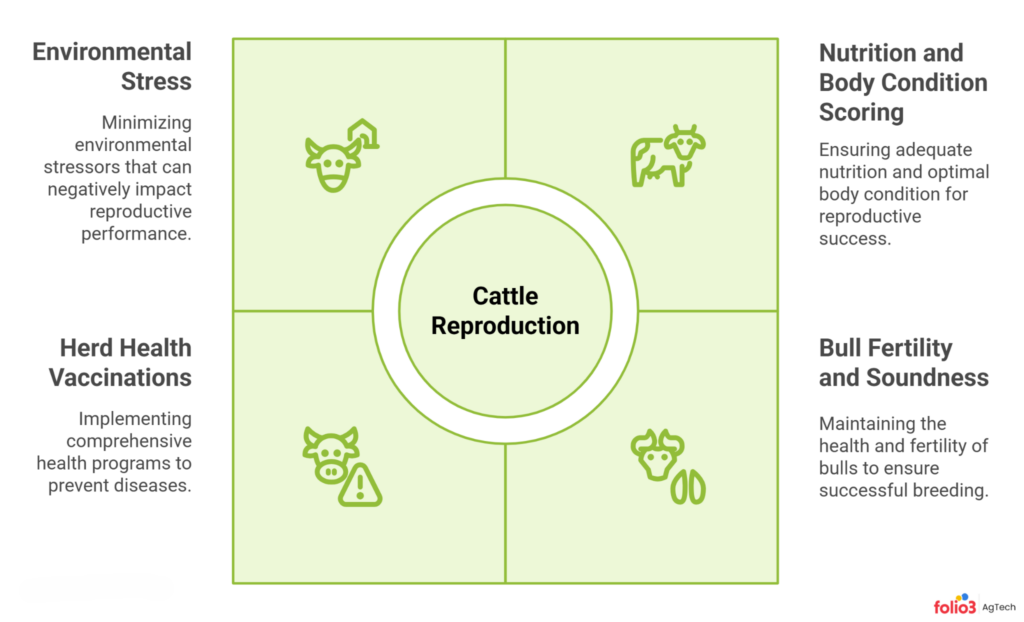
Nutrition and Body Condition Scoring (BCS)
Nutrition is the single biggest lever you have over cattle reproduction. A cow’s body condition score (BCS) at calving directly predicts how quickly she will cycle back and rebreed. Research consistently shows that cows calving at a BCS of 5 or 6 on the 1-to-9 scale have the highest rebreeding rates.
When a cow drops below a BCS of 4, her body delays the return to estrus to conserve energy. That delay can push her breeding window back by 20 to 40 days, meaning a later calf next year, lower weaning weight, and less money at the sale barn.
Start monitoring body condition 90 days before calving. If cows are thin, increase energy and protein in the ration. The cost of a few extra pounds of supplement now is far cheaper than carrying an open cow for a full year. Proper cattle feed ration balancing during this period is critical.
Bull Fertility and Soundness
Do not just blame the cows when pregnancy rates drop. Bulls are responsible for 50% of your herd’s genetics, and a single subfertile bull can leave dozens of cows open. A survey of 5,800 breeding soundness exams (BSEs) conducted by North Dakota veterinarians found that 9% of mature bulls and 17% of yearling bulls failed.
Schedule a BSE with your veterinarian 30 to 60 days before turnout. The exam evaluates physical soundness, scrotal circumference, sperm motility (minimum 30%), and sperm morphology (minimum 70% normal). A typical bull-to-cow ratio runs 1:25 to 1:30 for mature bulls. For yearlings, the recommendation is one cow per month of age, meaning a 15-month-old bull can handle about 15 cows.
Herd Health and Vaccinations
Reproductive diseases can silently wreck your breeding season. Bovine Viral Diarrhea (BVD), Vibriosis (Campylobacter), and Trichomoniasis are three of the most damaging. BVD, in particular, can cause early embryonic death, abortions, and the birth of persistently infected calves that spread the virus throughout the herd.
Work with your veterinarian to build a pre-breeding vaccine protocol. Vaccinate replacement heifers and cows 30 to 60 days before the start of the breeding season. Do not overlook bull vaccinations either. A solid biosecurity plan that includes testing new arrivals and quarantining purchased animals goes a long way toward protecting your herd’s reproductive health.
Environmental Stress (Heat and Transport)
Heat stress is a reproduction killer, and it hits harder than most ranchers realize. Research reports that summer conception rates can drop by 20 to 30% worldwide compared to cooler months. Heat stress during the close-up period and after breeding decreased conception rates by approximately 30%.
The biological reason is straightforward. Elevated body temperature disrupts hormone balance, reduces oocyte quality, and increases early embryonic mortality. Even a single day of high heat stress around the time of insemination can impair conception.
Mitigation strategies include providing shade, water access, and airflow. If you breed during summer months, consider shifting insemination to early morning or evening when temperatures are lower. Transportation stress around breeding time should also be minimized.
Advanced Reproductive Management Techniques
Once you have the basics locked in, these advanced strategies help you tighten your calving window and accelerate genetic improvement. They are especially valuable for feedlot operators and ambitious cow-calf producers.
Artificial Insemination (AI) vs. Natural Service
Artificial insemination gives you access to superior genetics from proven sires without the cost or risk of owning a high-dollar bull. It also allows you to select for specific traits using Expected Progeny Differences (EPDs), which accelerates genetic progress across your herd.
The tradeoff is labor. AI requires heat detection (or a synchronization protocol), trained technicians, and proper semen handling. For operations without the infrastructure, natural service remains the practical choice. However, USDA data shows that only about 11.6% of U.S. cow-calf operations currently use AI, suggesting significant room for adoption. Many producers use a combined approach: AI for the first service, then clean-up bulls for the remainder of the breeding season.
Estrus Synchronization Protocols
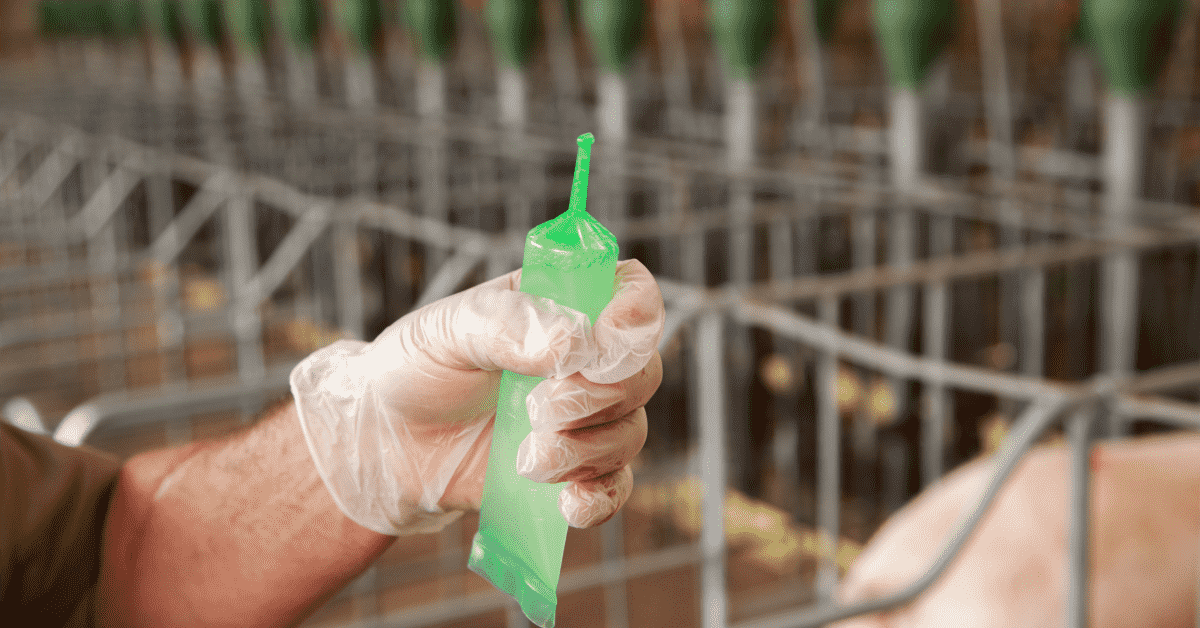
Estrus synchronization uses hormones like prostaglandin, progesterone (CIDR inserts), and GnRH to bring a group of cows into heat at roughly the same time. The result is that more than 50% of the herd can conceive on the first day of the breeding season, according to the Beef Reproduction Task Force.
The downstream benefits are significant. A tighter breeding season means a tighter calving window, which produces a more uniform calf crop that is older and heavier at weaning. Calves born in the first 21 days of the calving season had greater carcass weights, marbling scores, and yield grades than later-born calves. Synchronization does not have to be complicated. Even a simple prostaglandin shot can help tighten your calving season.
Early Pregnancy Diagnosis
Waiting 60 to 90 days to check pregnancy status wastes time and feed. Ultrasound can confirm pregnancy as early as 28 to 30 days post-breeding. Blood-based pregnancy tests offer another option at a similar timeline.
Early diagnosis lets you make faster decisions. You can cull open cows sooner, reduce winter feed costs, and reallocate resources toward productive animals. It also helps you identify embryonic loss early, which may point to underlying herd health or nutrition problems.
The Economics of Reproduction: Boosting Your Bottom Line
Reproductive efficiency is not just a breeding metric. It is the single most important economic driver in a cow-calf operation. Here is how a tight calving season directly impacts your profitability.
Every day a calf is born later in the season, it weighs less at weaning. At current market prices, even a 30-pound difference across 100 calves adds up fast. On the cost side, open cows that eat feed all year without producing a calf represent a total loss on that investment.
The table below compares two real-world management approaches:
| Factor | Defined 60-Day Calving Season | Year-Round (365-Day) Calving |
| Labor Costs | Concentrated and predictable; easier to schedule help | Spread year-round; constant monitoring required |
| Calf Uniformity | High; calves are similar in age and size | Low; wide variation in age and weight |
| Average Weaning Weight | Higher; older calves at weaning time | Lower; younger calves mixed with older ones |
| Market Premium Potential | Strong; uniform loads attract premium bids | Weak; mixed lots sell at discounted prices |
| Health Management | Simplified; one vaccination schedule fits all | Strong, uniform loads attract premium bids |
Uniform calf crops from a tight calving season consistently bring premium bids at the sale barn because buyers prefer loads where calves are close in age, weight, and condition. Some auctions and video sales pay $3 to $8 per hundredweight more for uniform groups. Multiply that across your annual calf crop, and the economic case for reproductive management becomes clear.
Tracking these metrics does not have to be a spreadsheet headache. Modern livestock management software can automate breeding records, flag open cows, and generate performance reports that help you make faster, data-driven decisions.
The Manager’s Checklist: Seasonal Beef Cattle Reproduction Steps
A solid beef cattle reproduction cycle runs on a calendar. Here is your seasonal action plan broken down by phase.
Pre-Breeding (60 Days Out)
- Schedule BSEs for all herd bulls; replace any that fail
- Administer pre-breeding vaccinations (BVD, Vibriosis, Leptospirosis) to cows and heifers
- Evaluate BCS across the herd; adjust nutrition for thin cows targeting BCS 5-6 at calving
- Review and order AI supplies if using synchronization protocols
- Confirm bull-to-cow ratios (1:25 for mature bulls, 1:15 for yearlings)
Breeding Season
- Implement heat detection twice daily (early morning and late evening)
- Execute AI and synchronization protocols on schedule
- Monitor bull activity and physical soundness; rotate or replace injured bulls
- Record all breeding dates for each cow using a cattle management app
Gestation
- Conduct pregnancy checks via ultrasound at 28 to 35 days post-breeding
- Cull open cows promptly to reduce feed costs
- Adjust winter rations to meet increasing nutritional demands in the third trimester
- Begin planning calving facilities, supplies, and labor schedules
Calving
- Monitor for dystocia (calving difficulty), especially in first-calf heifers
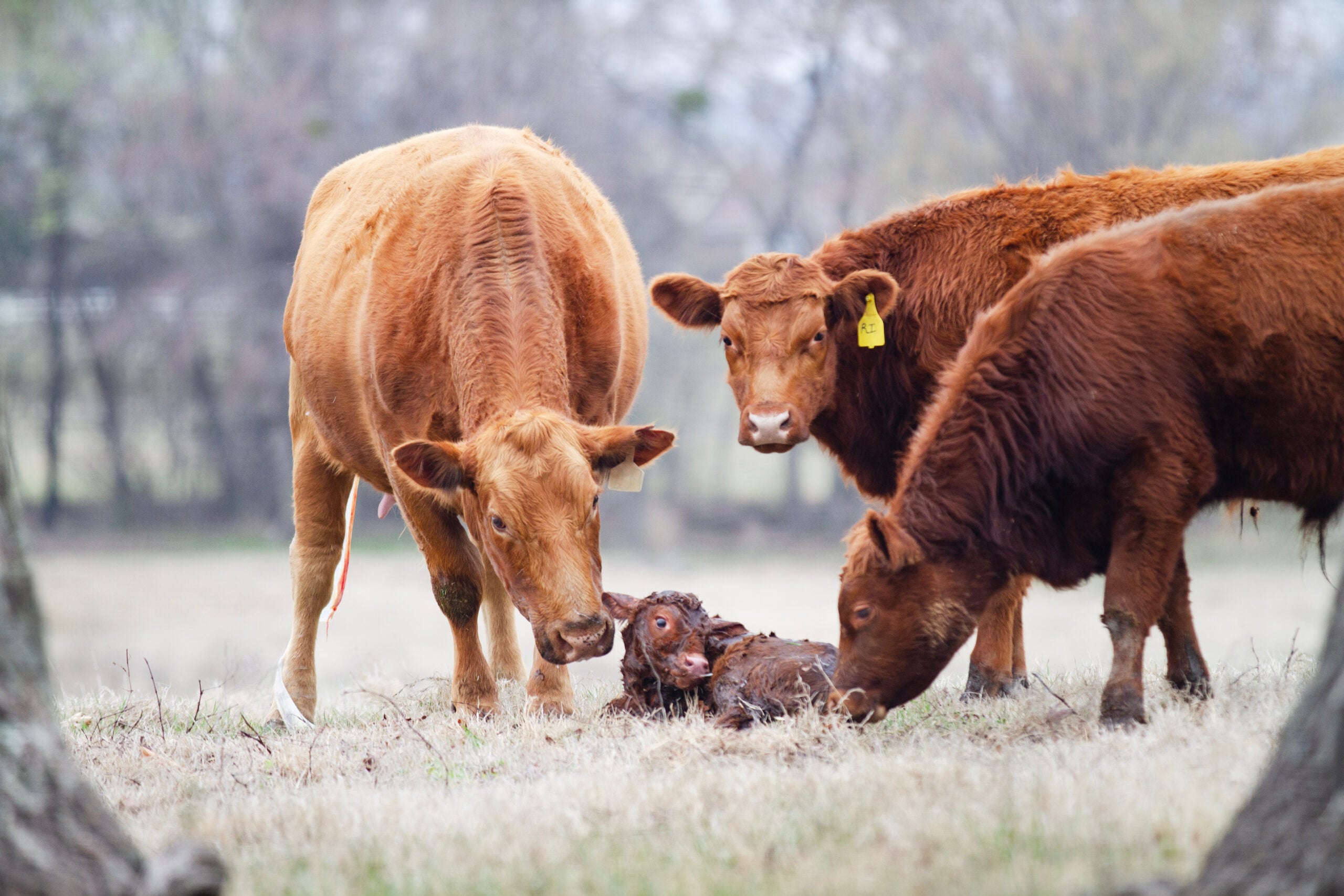
- Ensure every calf receives colostrum within the first 6 hours of life
- Record birth weights, calving ease scores, and calf ID
- Begin postpartum recovery management and prepare cows for the next breeding cycle
Conclusion and Next Steps
Beef cattle reproduction is where your profitability is built or lost. The ranchers who consistently produce heavy, uniform calf crops are not lucky. They are disciplined about nutrition, bull management, herd health, and timing.
Start with the basics: get your cows to BCS 5 before calving, test every bull with a BSE, and vaccinate on schedule. Then layer in advanced tools like synchronization, AI, and early pregnancy diagnosis to tighten your calving window further. If you are looking to digitize your herd management, explore how feedlot management software can help you track reproduction, feed, and performance from one platform.
The bottom line? Every improvement in reproductive efficiency puts more calves on the ground and more money in your pocket.
FAQs
What Is the Ideal Bull-to-Cow Ratio for Beef Herds?
For mature bulls, the standard recommendation is 1 bull to 25-30 cows. Yearling bulls should be limited to roughly 1 cow per month of age. Actual ratios depend on pasture terrain, bull fitness, and breeding season length.
How Soon After Calving Can a Beef Cow Be Rebred?
Most beef cows need 45 to 60 days postpartum before cycling again. Cows in good body condition (BCS 5 or above) tend to resume estrus faster. Poor nutrition significantly delays this timeline and reduces conception rates.
Can You Use Estrus Synchronization Without Artificial Insemination?
Yes. Many producers synchronize their herd and then turn bulls out for natural service breeding. Synchronization still tightens the calving window even without AI, because more cows conceive during the first estrous cycle of the season.
What Vaccines Should Cows Receive Before Breeding Season?
A standard pre-breeding protocol typically includes vaccines for BVD, IBR, Vibriosis, and Leptospirosis. Your veterinarian can customize the protocol based on your region, herd history, and specific disease pressures.
How Does Calf Weaning Weight Change With a Tighter Calving Season?
Calves born in the first 21 days of the calving season are older and heavier at weaning than later-born calves. These early-born calves also had greater carcass weights and marbling scores at harvest.