
Feed accounts for 50 to 70 percent of total production cost, yet most financial systems record it as a single line item, with no connection to which group consumed it, which ration was used, or how efficiently it converted to milk. Milk is produced every day, but revenue is realized weeks later, adjusted for fat, protein, and market conditions that shift the final payout well below the estimated price. Costs accumulate across an 18 to 24-month animal lifecycle before a cow generates her first dollar of revenue.
Financial systems aren't built for any of this. They capture transactions. They don't capture the activities driving them. The result is reporting that arrives too late, aggregates too broadly, and tells finance teams what happened, but not where it came from or how to change it.
This guide explores what it takes to close that gap.
A practical framework for connecting herd management data with financial systems, and what that connection makes visible for the first time.
Animal-Level Cost Tracking Most dairy reporting relies on herd-level averages because operational and cost data live in separate systems. This section covers what becomes visible when they're connected, including how two groups with identical milk output can carry meaningfully different cost structures, and why that difference matters for margin management.
Lifecycle-Based Cost Allocation The cost of raising a replacement heifer, typically $1,500 to $2,000 per animal, accumulates over 18 to 24 months before first lactation. Without lifecycle alignment, these investments are treated as period expenses, and the return on animal-level capital is never measured. This section covers how to allocate costs across calf, heifer, pre-lactation, and lactation stages so that finance can see the full picture.
Feed System Integration: Feed is the highest and most variable cost in dairy, yet it's almost always tracked separately from financial systems. This section covers how connecting ration formulation, daily consumption, and inventory usage to cost and production data changes what feed spend actually tells you, including how the same $10,000 feed cost can produce 50,000 liters in one group and 45,000 in another.
Health and Treatment Cost Recording: Health costs are typically captured as aggregated veterinary or medication expenses, which hides their real financial impact. When treatments are linked to specific animals or groups, finance can quantify exactly how increased treatment frequency affects cost per cow and production loss, rather than treating it as a fixed overhead line.
Why Current Financial Systems Fall Short: QuickBooks and similar platforms organize data around accounts and reporting periods. They capture what was spent, not what generated it. This section examines four specific failure modes: separated cost recording, data aggregation, disconnected operational systems, and delayed data availability, and the consequences each one creates for margin visibility.
The whitepaper describes a four-layer integration model, operational data sources, event standardization, financial mapping, and analytical reporting, that shifts financial management from retrospective to operational.
When that connection is made, finance teams can see things that currently don't exist in their reporting:
cilities.
This also changes the role of the dairy CFO. Instead of explaining variances after period close, finance can observe shifts in cost and performance as they occur and contribute to operational decisions before they've already affected the numbers.
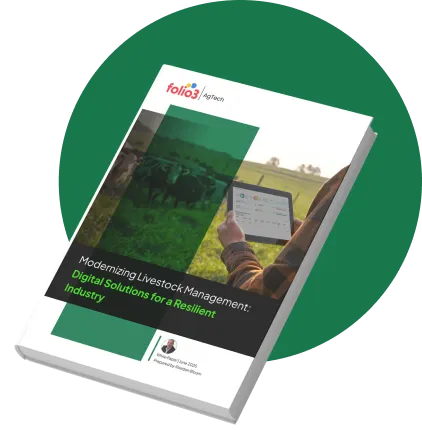
Download the full framework for connecting herd management data with financial systems, including the practical integration model, KPI structure, and implications for financial leadership in dairy operations.
Get a Free Consultation Within 24 Hours, with a No-Obligation Ballpark Estimate
[contact-form-7 id="5196998" title="Intent Popup Form"]