
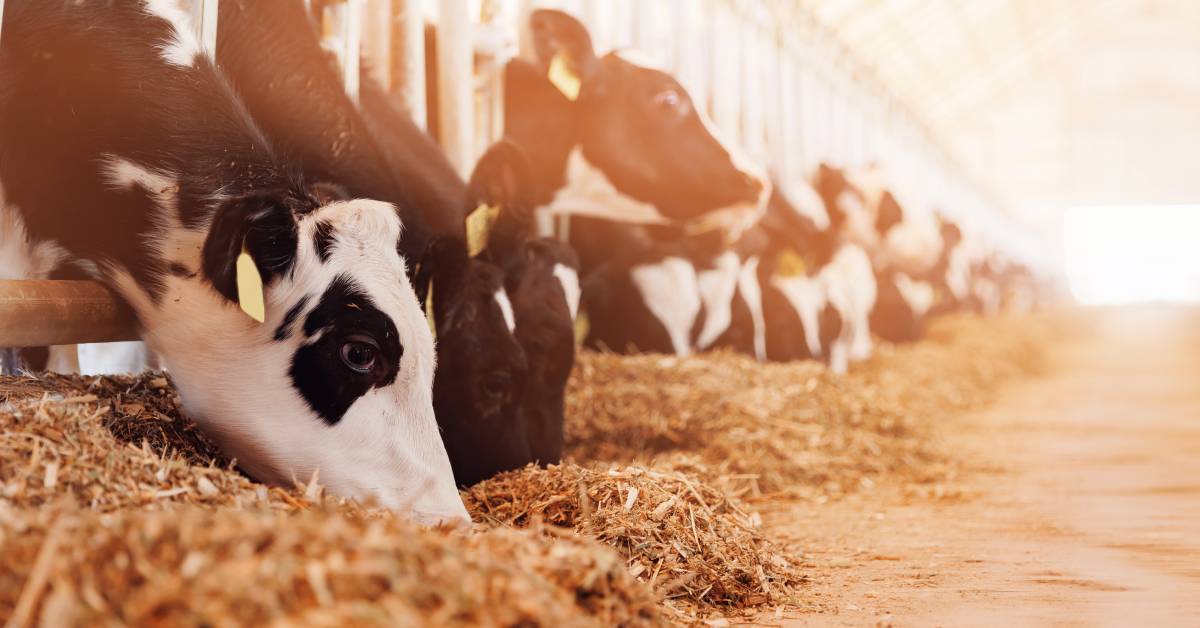

If you’re already paying for feed, you want more gain per pound without inviting digestive upsets. That’s where ionophores come in. These feed additives have been used in beef and dairy operations for decades to improve feed efficiency, support animal health, and protect margins.
This guide walks you through what ionophores are, why they work, how to use them safely, and when alternatives might fit your operation better. You’ll get field-first guidance, label-respectful practices, and practical implementation steps. As always, work with your nutritionist or veterinarian when making feed program changes.
What Are Ionophores in Cattle?
Ionophores are antibiotic-like feed additives that shift the microbial population in the rumen toward more efficient fermentation. They’re classified as carboxylic polyether antibiotics, naturally produced by Streptomyces bacteria. What matters most is that ionophores are not used in human medicine and do not fall under the Veterinary Feed Directive (VFD), so they can be purchased without a prescription. However, they’re still classified as medications and must be purchased premixed; ranch mixing is not permitted.
The 3 Ionophores You’ll Hear About Most in U.S. Beef Systems
In the United States, three ionophores are commercially available for beef cattle:
- Monensin (Rumensin, Monovet): The most widely used, particularly in feedlot settings
- Lasalocid (Bovatec): Popular for grazing cattle and coccidiosis control
- Laidlomycin propionate (Cattlyst): Used primarily in feedlot finishing programs
| Ionophores | Typical labeled use cases | Typical labeled dose ranges |
| Monensin (Rumensin®) | Gain/efficiency; coccidiosis control (program dependent) | 50–200 mg/head/day (common label range) |
| Lasalocid (Bovatec®) | Feed efficiency in confinement; gain in pasture/stocker programs | 100–360 mg/hd/day (confinement) and 60–300 mg/hd/day (pasture programs) |
| Laidlomycin propionate (Cattlyst®) | Efficiency and sometimes gain in confinement beef cattle | 30–150 mg/hd/day (label-based ranges) |
Each has a similar mode of action but varies in ion-binding preferences and performance response depending on diet type and cattle class.
Why Producers Use Ionophores
Ionophores deliver measurable returns through both performance gains and health benefits. The economics work because the cost per head per day is modest compared to the value captured.
Performance Outcomes
Feed efficiency and weight gain improvements are the primary drivers of ionophore adoption. Understanding how to improve feed conversion ratio across your operation helps you measure ionophore impact accurately.
A meta-analysis of 169 trials found that monensin reduced dry matter intake by 3.1%, increased average daily gain by 2.5%, and improved feed efficiency by 6.4%. For cattle on forage-based diets, research shows ionophore supplementation can increase daily gain by 0.18 lb/day (about 13.5%) at 155 mg/day of monensin, with responses increasing to 0.20 lb/day at 200 mg/day.
The return on investment is compelling. Current estimates suggest a 4.75:1 ROI for ionophore use in feedlot cattle, translating to approximately $37 per head over a 200-day feeding period in today’s market. Operations focused on improving feedlot efficiency often find ionophores among the highest-return nutrition investments available.
Health-Side Benefits
Beyond performance, ionophores reduce the incidence of digestive disorders that cost you time and treatment dollars. They decreasethe potential for bloat and acidosis, both common concerns when feeding high-energy diets. In feedlot settings, monensin and lasalocid are also classified as coccidiostats, helping prevent and control coccidiosis in young, susceptible cattle.
How Ionophores Work in the Rumen
Understanding the mechanism helps you appreciate why consistent intake matters and how ionophores translate to dollars in your pocket.
The “Microbe Steering Wheel”
Think of ionophores as a selective pressure on rumen bacteria. They target gram-positive bacteria, the ones that produce acetate, butyrate, lactic acid, and hydrogen (the substrate for methane). By suppressing these populations, ionophores give a competitive advantage to gram-negative bacteria that produce propionate and succinate.
The result: ruminal propionate increases while acetate decreases. One analysis showed monensin in finishing diets decreased acetate by 2.1%, increased propionate by 8.6%, and decreased butyrate by 11.1%. Less methane is produced as a byproduct,t and research indicates 2% to 15% reduction in methane emissions depending on the system.
Why Propionate Matters
Propionate is the most energetically efficient volatile fatty acid (VFA) produced in the rumen. It’s the only VFA that serves as a direct precursor for glucose synthesis, representing 27% to 54% of total glucose produced by the liver. When you shift fermentation toward propionate, you’re capturing more usable energy from the same feed input. The NASEM Nutrient Requirements of Beef Cattle estimates dietary metabolizable energy increases by 2.3% with monensin and 1.5% with lasalocid.
Hidden Lever
There’s another benefit that often gets overlooked. Ionophores reduce ruminal proteolysis and ammonia synthesis by inhibiting hyper-ammonia-producing bacteria. It means more dietary protein bypasses the rumen and reaches the small intestine for direct absorption. Research has shown 32% reduction in ruminal ammonia concentration with narasin supplementation. That’s nitrogen you’re keeping in the animal instead of losing to the environment.
This protein-sparing effect is one reason ionophore inclusion should be factored into your cattle ration balancing calculations. As a result, youcano reduce expensive protein supplementation.
Which Ionophore Fits Your Operation?
The right choice depends on your production system, delivery method, and specific goals. Response varies by diet quality, cattle class, and management intensity.
Cow-Calf and Mature Cows on Supplement
For operations delivering supplements through bunks or lick tubs, ionophores can improve cow efficiency during critical periods. The key is consistent intake control. Mature cows benefit from improved energy status, which has linked to shortened postpartum intervals when combined with adequate nutrition. Monensin in mineral supplements is common, though intake variability can reduce effectiveness.
Stockers and Grazing Cattle
On high-quality pastures, response to ionophores may be smaller than on lower-quality forages. The delivery method matters as consistency is harder to achieve with grazing cattle. Research indicates supplementing 200 mg/day of monensin can increase gains by 0.22–0.46 lb/day on bermudagrass. Alternate-day supplementation has shown similar results to daily delivery in some studies, which can reduce labor requirements.
Backgrounding and Finishing
Feedlot use is where ionophores shine brightest. Operations navigate the top challenges in feedlot management, from intake variability to health events, and find that ionophores address multiple pain points simultaneously. The combination of improved feed efficiency and coccidiosis prevention delivers consistent returns.
Cattle entering the feedlot at over 275 kg and fed for 100 days or less often show the greatest ADG improvements with lasalocid. For finishing diets, monensin effects on feed efficiency are dose-dependent. So, higher doses improve efficiency but may reduce intake and ADG response.
Ionophores in Mineral and Supplements
Delivering ionophores through mineral or supplement programs requires attention to intake consistency. The operational goal that determines whether you capture the full benefit.
Delivery Options and Tradeoffs
You have several options for getting ionophores into cattle:
- Hand-fed supplements: Best intake control, highest labor
- Self-fed supplements: Moderate control, includes salt-limited and intake-limited formulations
- Loose mineral mixes: Lowest labor, most variable intake
The tradeoff is always labor versus consistency. Ionophores can serve as intake limiters, particularly monensin, due to palatability characteristics. It matters when designing self-fed programs.
Regardless of delivery method, integrating ionophores into a comprehensive livestock feeding program ensures they complement rather than conflict with your overall nutrition strategy.
Free-Choice Mineral Considerations
When ionophores are delivered through free-choice mineral, palatability affects how much individual animals consume. Salt is commonly used as an intake driver or limiter in these formulations. Monitor consumption patterns closely,y as you want 2–4 oz per head per day for most mineral programs containing ionophores.
Watch for:
- Weather-driven consumption swings
- Feeder placement affecting access
- Dominant animal behavior limits the intake of subordinate cattle
- Empty feeders that create binge-eating when refilled
Keeping feeders full and adjusting salt levels helps smooth intake variability.
How to Hit the Target Dose Without Guesswork
Getting the right amount of ionophore into each animal requires simple math and consistent monitoring.
The 3-Step Calculation
To formulate a supplement with the correct ionophore concentration:
- Determine target dose (mg/head/day) from label recommendations
- Estimate expected supplement intake (lbs/head/day)
- Calculate concentration: Target dose ÷ Expected intake = mg ionophore per lb of supplement
Example: You want 200 mg monensin/head/day. Expected mineral intake is 0.25 lbs/day.
200 mg ÷ 0.25 lbs = 800 mg monensin per lb of mineral
For operations running multiple ration programs, understanding how to balance cattle feed rations ensures ionophore concentrations stay consistent when ingredient availability changes.
Always work with your feed supplier or nutritionist to ensure proper mixing and label compliance. Tools for managing feed rations for cattle help you maintain accurate formulations across supplement batches.
A Micro “Intake-Control” Checklist
Monitor these factors weekly to maintain consistent ionophore delivery:
- Headcount changes: More or fewer animals affect per-head consumption
- Feeder access: Ensure adequate bunk space or feeder numbers
- Weather shifts: Consumption changes with temperature and precipitation
- Salt level: Adjust if intake is too high or low
- Refill frequency: Never let feeders go empty
Trackingthe supplement disappearance rate and dividing by head count gives you a running estimate of actual intake. Digital checklists in beef feedlots make this tracking routine rather than a special project.
Safety, Toxicity, and Compliance Considerations for Using Ionophores for Cattle
Ionophores are safe when used correctly, but mistakes can be costly. Prevention is entirely about process control.
Toxicity Risk from Mixing Errors and Uneven Intake
Most ionophore toxicity cases trace back to two causes: mixing errors that create hot spots in the feed or uneven consumption patterns that allow some animals to ingest toxic doses. Clinical signs of toxicity include decreased feed intake, depression, diarrhea, and, in severe cases, heart failure and death.
There is no antidote for ionophore toxicity; treatment is supportive care only. It makes prevention your only strategy:
- Use only properly licensed, premixed products
- Ensure thorough mixing when ionophores are added to supplements
- Prevent binge-eating by keeping feeders accessible
- Follow label directions exactly
Consistent animal health monitoring helps you catch early signs of intake problems or toxicity before they escalate.
Keep Horses Away + Other High-Risk Scenarios
It can’t be overstated that ionophore doses used in cattle feeds are highly toxic to horses. Even small amounts can cause fatal heart damage. Strict separation is required, so never allow horses access to cattle feeds, minerals, or supplements containing ionophores.
Other species at risk include swine, which cannot metabolize ionophores at cattle concentrations. Dogs and other companion animals should also be kept away from ionophore-containing feeds.
VFD/Withdrawal Positioning
Unlike many feed-grade antibiotics, ionophores do not fall under the Veterinary Feed Directive because they are not considered medically important to humans. It means no prescription is required for purchase.
There is no withdrawal time for ionophores,s as cattle can consume them up to the day of sale or slaughter for conventional beef programs. However, cattle receiving ionophores are generally not eligible for natural programs and are excluded from organic production chains. Understanding compliance requirements in the feedlot cattle industry helps you document feeding programs for market access.
Ionophores vs Alternatives: What to Do If Your Market Restricts Them
Some market channels require ionophore-free production. Knowing your alternatives helps you maintain efficiency when standard tools aren’t available.
If You’re “Ionophore-Free”
Several alternative feed additives can support rumen function, though evidence for their effectiveness varies:
- Essential oils: Some research shows modest effects on rumen fermentation
- Yeast products: May support fiber digestion and stabilize rumen pH
- Buffers: Help manage acidosis risk in high-concentrate diets
None of these alternatives match the consistent, well-documented performance response of ionophores. If you’re moving to ionophore-free production, expect to make up the efficiency gap through other management intensification or accept reduced margins. Work closely with your nutritionist to optimize the program given the constraints.
Export and Program Constraints
If you’re selling into specific branded programs or export markets, verify ionophore restrictions early. Some international markets have historically restricted specific growth promoters, though ionophores are generally accepted in most conventional beef trade. Natural and organic programs in the U.S. typically prohibit ionophore use. Document your feeding program carefully,y as health and treatment records become essential for demonstrating compliance with program requirements.
Conclusion
Ionophores remain one of the most cost-effective tools for improving feed efficiency in beef cattle, with decades of research supporting consistent 3–7% improvements and documented health benefits. The key to capturing full value is consistent delivery, whether through hand-fed supplements, self-feeders, or mineral programs.
Ready to design an intake-consistent supplement program that maximizes your ionophore investment? Track feeding patterns, monitor consumption, and keep your cattle records organized with feedlot management software that puts herd data at your fingertips. Connect with Agtech experts to see how digital record-keeping supports better nutrition management decisions.
FAQs
What Are Ionophores in Cattle Feed?
Ionophores are feed additives classified as carboxylic polyether antibiotics that alter rumen fermentation to improve feed efficiency. They shift the microbial population toward bacteria that produce propionate, a more efficient energy source. The three ionophores available in the U.S. are monensin, lasalocid, and laidlomycin propionate.
Do Ionophores Help in Beef Cattle?
Yes. Research consistently shows that ionophores improve feed efficiency by 3–7% and can increase daily gains, particularly in feedlot and backgrounding programs. They also reduce digestive disorders like bloat and acidosis, and help prevent coccidiosis in susceptible cattle.
Can I Put Ionophores in Free-Choice Mineral?
You can, but intake variability is the challenge. Monensin in particular can affect palatability, leading to inconsistent consumption. Monitor disappearance rates closely, keep feeders consistently available, and adjust salt levels to achieve the target intake of 2–4 oz per head per day.
What’s the Biggest Safety Risk with Ionophores?
Horse exposure is the most critical risk: ionophores at cattle doses are fatal to horses. For cattle, the main dangers are mixing errors that create hot spots and uneven consumption that allows some animals to ingest toxic amounts. There is no antidote, so prevention through proper mixing and feeder management is essential.