

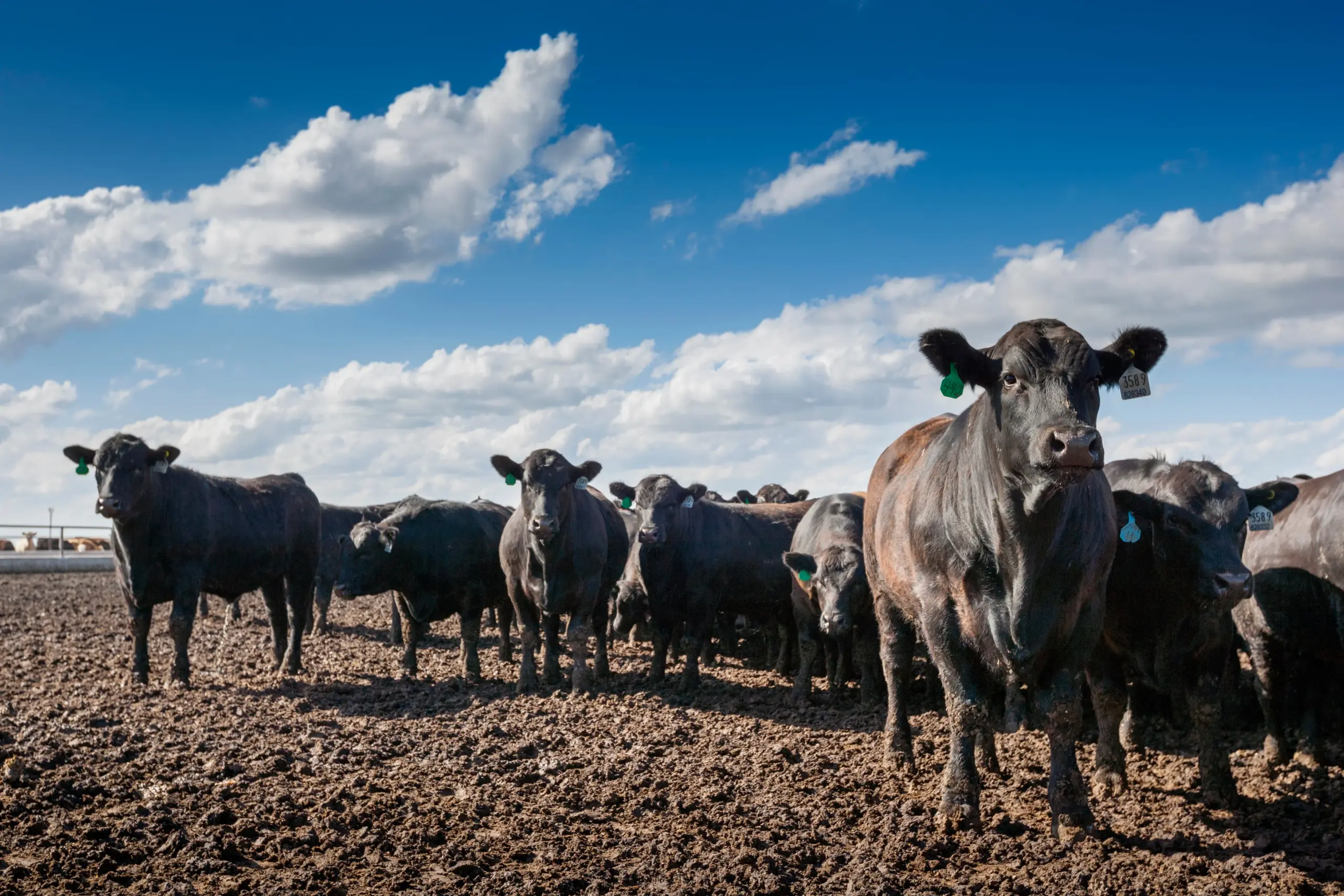
A premier 50,000-head custom feedyard in Nebraska specialized in retained ownership programs and investor-backed cattle feeding. Despite their operational expertise, their financial back-office was buckling under the complexity of split-ownership accounting. Allocating daily feed consumption, yardage fees, and medical treatments to specific investment groups relied on a fragile web of spreadsheets, resulting in delayed monthly billing and chaotic, error-prone closeouts at the end of each feeding cycle.
By implementing Folio3’s feedlot management software as the operational layer connecting to a unified ERP for agriculture, the feedyard bridged the gap between bunk performance and investor finance. The transformation established automated lot-level sub-ledgers, digitized feed and medical billing, and provided investors with transparent, real-time profitability portals. The result was a 100% elimination of billing disputes, the reduction of the closeout process from 10 days to just 2 hours for a two-person accounting team, and a 20% increase in retained ownership headcount driven by superior financial reporting.
The friction began the moment a new load of cattle hit the receiving scale. A rancher from Wyoming delivered 200 head of yearling steers into a retained ownership program. In this arrangement, custom feeding operations collect per-head, per-day fees while the original owner retains equity in the cattle through slaughter. The rancher kept 60% equity; an outside investor group purchased the remaining 40% to fund the feeding period.
The problem surfaced immediately. The legacy yard management system, the same type of traditional YMS that all the top feedlot management challenges trace back to, could only assign one “Owner” to a lot. To account for the split, the office manager had to create a manual tracker on a whiteboard and a shadow spreadsheet to divide the initial incoming value and expected costs. Every feed bill and medical charge for the next 150 days depended on that spreadsheet being maintained perfectly from day one.
To eliminate split-ownership chaos, a feedlot ERP utilizes Dynamic Lot Assignment and Multi-Entity Equity Tracking. When cattle arrive, the system creates a Master Lot Record.
Within this record, the intake clerk establishes an Ownership Matrix, inputting the 60% (Rancher) and 40% (Investor Group) split. This matrix acts as the foundational accounting rule for the entire lifecycle of that lot. From that moment forward, the ERP creates hidden sub-ledgers for each stakeholder. Every pound of initial animal weight, incoming freight charge, and initial asset value is automatically prorated and accrued to each owner’s balance sheet in real time, eliminating off-system shadow tracking.
As the feeding cycle began, daily operational data started piling up. Feed trucks delivered highly specific rations to the pens, and the chute crew administered respiratory vaccines to a few sick steers. Because the feed software and chute software didn’t communicate with the accounting department, billing clerks had to wait until the month’s end to export the data, match pen numbers to the manual ownership spreadsheet, and calculate split invoices. The result was a chronic cash flow delay: hundreds of thousands of dollars in feed and medicine costs floating for weeks before an invoice could be generated.
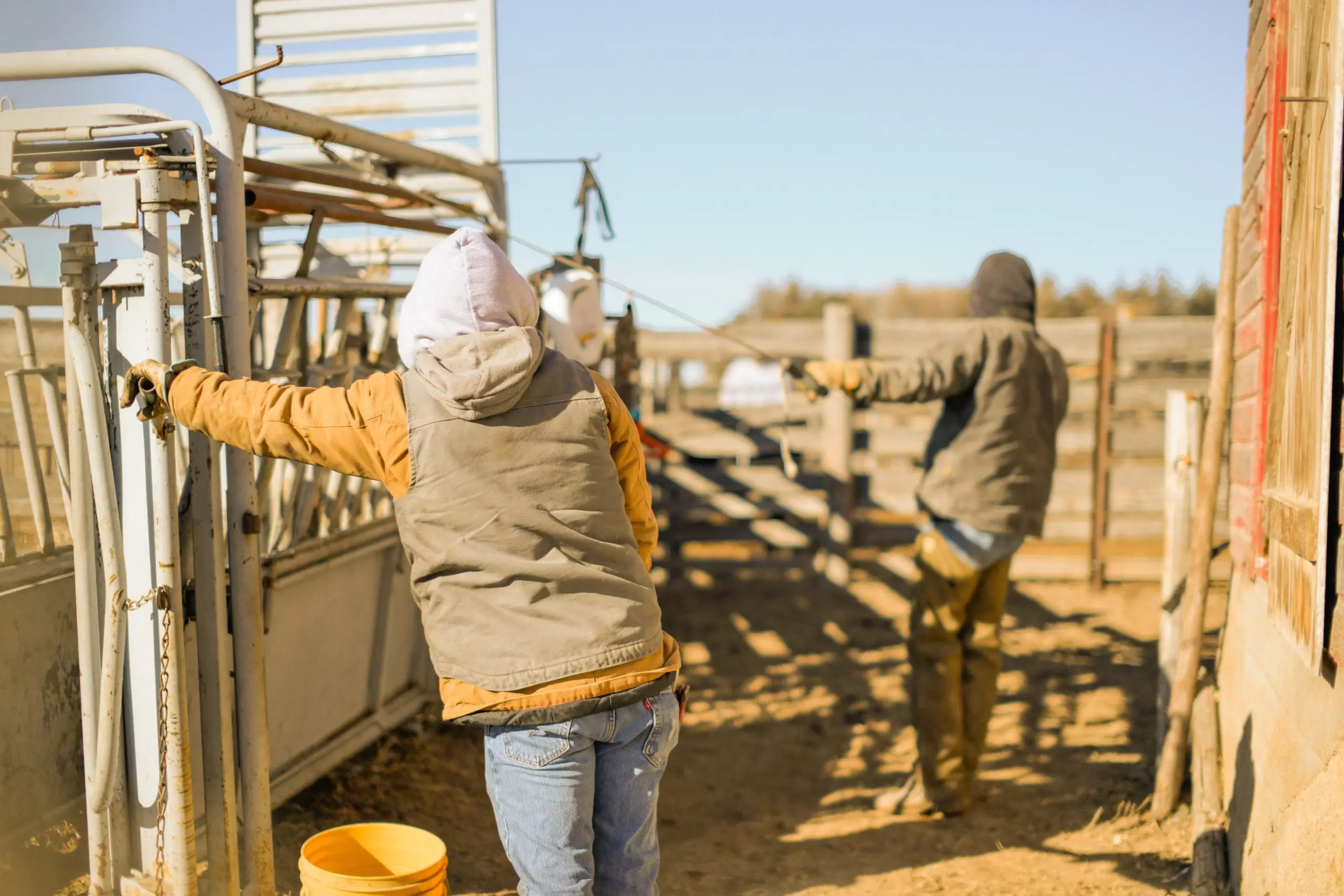
Automating custom feeding billing requires connecting field-level operations directly to the Accounts Receivable (AR) module. The feed truck’s tablet, running dedicated cattle feeding software, logs the exact ration weight delivered to Pen 42.
The ERP instantly references the Master Lot Record for Pen 42, identifies the active ration cost, applies the daily yardage fee (typically $0.40–$0.65/head/day depending on services), and calculates the total daily expense. It then references the Ownership Matrix, instantly billing 60% to the rancher and 40% to the investor group. The same logic applies at the chute: a barcode scan for a $15 antibiotic automatically prorates the charge across both owners. At month’s end, the ERP generates perfectly itemized, prorated invoices and emails them to all stakeholders without additional manual reconciliation from the finance team.
At day 90 of the feeding cycle, the lead investor called the feedyard. They wanted the current cost of gain (COG), the estimated feed conversion ratio (FCR), and a projected break-even price. Under the old system, the yard manager had to stop working, pull the feed delivery logs, estimate the current weight of the cattle based on historical ADG, and manually build an interim progress report. It could take days. And if the numbers came back wrong, investor confidence eroded with them.
Sophisticated retained ownership investors increasingly treat feeding positions the way institutional investors treat equity positions: they expect accurate, on-demand performance data. A feedyard that cannot deliver a clean mid-cycle financial snapshot does not just look disorganized; it looks like a counterparty risk. Understanding how to improve feedlot efficiency increasingly means solving the data latency problem as much as the operational one.
Delivering mid-cycle transparency requires an ERP that calculates Dynamic Break-Even and Cost of Gain (COG) on demand. Because the ERP continuously aggregates all prorated expenses, feed, medical, yardage, and interest on any margin loans advanced by the feedyard, the financial numerator is always live.
For the biological denominator, the ERP projects live weight by combining Estimated Daily Gain (EDG) algorithms, drawing on specific rations consumed, weather data, and historical breed performance benchmarks from interim weight events, with pen-level performance history. These figures feed a live Investor Portal Dashboard. The investor logs in securely and sees their specific 40% equity position: total dollars deployed to date, estimated current value of their stake, and the projected $/cwt. needed at the packer to break even, without a single call to the feedyard office.
At day 150, the cattle reached their target weight and shipped to the packer. Two days later, the packer returned the “Grid Settlement”, detailing revenue based on carcass yields (Choice, Prime, Yield Grades) minus freight and beef checkoff fees. Historically, this triggered the dreaded closeout fire drill. The accounting team had to freeze all other work for 10 business days to deduct final feed bills, apply packer revenue, calculate interest on any margin loans advanced during the feeding period, and issue the final settlement checks.
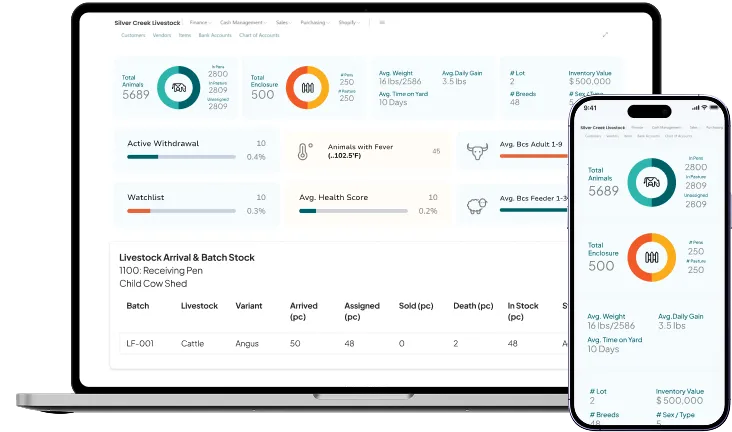
Understanding the full scope of livestock financial planning makes clear why a 10-day closeout process is not just an inconvenience; it is a structural competitive disadvantage in a market where investors can place their retained ownership capital at any number of yards.
Automating the final settlement requires a unified Record-to-Report (R2R) Closeout Engine. When the digital grid settlement is received from the packer via direct EDI or imported settlement file, the ERP automatically maps the revenue back to the Master Lot Record.
The system instantly executes final reconciliation: aggregating packer revenue, deducting the lifetime prorated feed, medical, yardage, and interest expenses, and calculating net profit or loss for the lot. It then pushes the final net figures through the Ownership Matrix.
Within minutes, the ERP generates a comprehensive, audit-ready Closeout Packet for each stakeholder, detailing carcass performance, exact COG, and the final net margin, and automatically triggers the Accounts Payable (AP) vouchers to cut the settlement checks. The animal movements, treatments, and performance records underpinning this packet are stored in a structured, auditable format throughout the cycle, a baseline requirement of enterprise-grade livestock management software for large commercial operations.
By replacing fragmented spreadsheets and disconnected point systems with a unified ERP for agriculture that connected every operational data point, from the intake scale to the packer settlement, to a single financial record, the custom feedyard fundamentally changed what it could offer its retained ownership partners. The results were measurable across every dimension of the business.
Are your feedlot closeouts still trapped in a web of manual spreadsheets? Discover how Folio3’s feedlot management software automates custom feedyard billing, lot management, and split-ownership settlements from the intake scale to the packer settlement check. Talk to a Folio3 AgTech Solutions Architect today to map out your digital retained ownership blueprint.
If you’re evaluating the path from fragmented tools to a unified system, our guide to ERP implementation in agriculture covers the full deployment lifecycle, from scoping and data migration to go-live.
Get a Free Consultation Within 24 Hours, with a No-Obligation Ballpark Estimate
[contact-form-7 id="5196998" title="Intent Popup Form"]