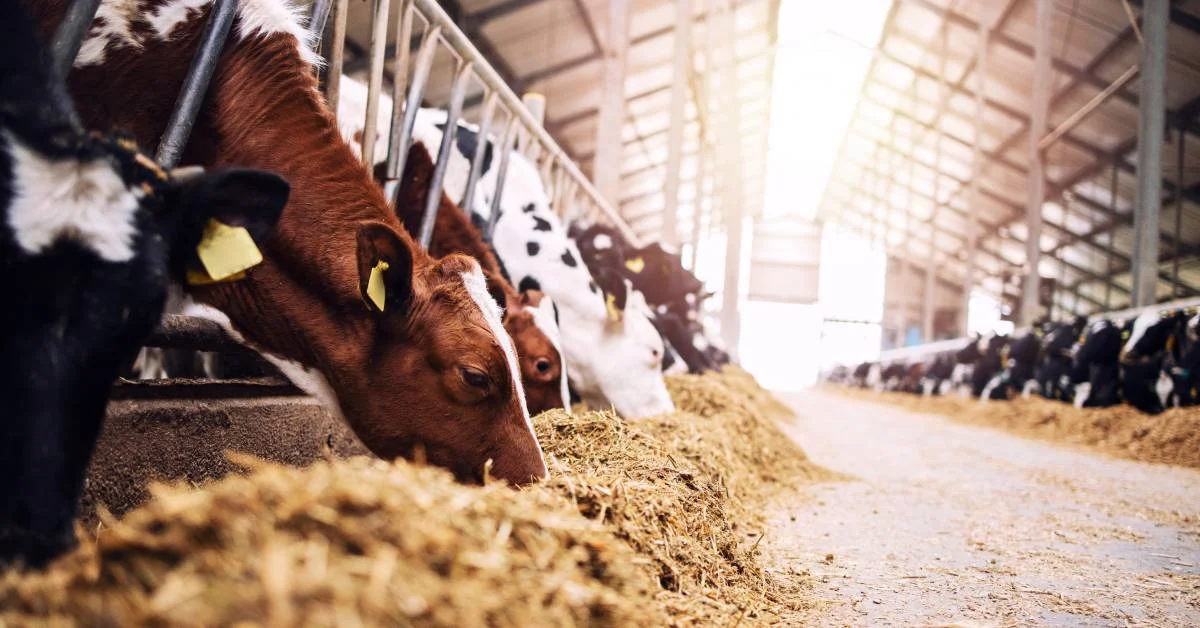

Feeding livestock is one of your major and ongoing expenses. In fact, feed often accounts for about half of total production costs. Every pound you feed has a direct impact on your bottom line. At the same time, nutrition is the foundation of herd health: a balanced diet fuels growth, supports fertility and milk production, and even bolsters immunity.
In this guide, you’ll learn practical strategies to make every feed dollar count. We cover how to match diets to each animal’s needs, choose cost-effective feed ingredients, and leverage modern tools like automatic feeders and data-driven rationing.
Why Feeding Matters in Livestock & Cattle Operations
Managing feed is the key to both animal health and farm profits. Consider these points:
Feed is the largest expense: In cow-calf and feedlot operations, feed often accounts for roughly half of total costs (up to 70% in drought years). That means every pound you feed has a big impact on profitability.
Nutrition boosts productivity: Well-balanced, nutrient-rich diets keep livestock healthy and productive. Good nutrition directly impacts body condition score, fertility, and milk productivity, and helps animals resist disease. Feeding quality forage and supplements translates to better growth and production.
Overfeeding wastes money and the environment: Excess feed doesn’t improve performance; it just drives costs up. In fact, overfeeding is an obvious waste of money, while underfeeding is a waste of production. Surplus nutrients end up in manure; animal manure is a significant source of nitrogen and phosphorus pollution. A moderate, balanced ration uses inputs efficiently.
Scale affects cost per head: Larger herds benefit from economies of size; costs per cow drop as herd size increases. Small farms face higher per-head costs, so precise feed planning and efficiency are crucial for profitability at a smaller scale.
Understanding Livestock Nutrient Requirements
Feeding livestock effectively starts with understanding what nutrients cattle actually need and how those needs change throughout their life cycle. Whether you’re feeding cows in a cow–calf operation or finishing steers on beef cattle feed, the foundation is always the same: supply the proper nutrients, in the right amounts, at the right time.
Nutrient Basics
Cattle require six essential nutrient groups for optimal performance: energy, protein, fiber, minerals, vitamins, and clean water.
- Energy comes mainly from carbohydrates and fats. It fuels growth, movement, milk production, and body maintenance. Low-energy diets reduce weight gain and fertility.
- Protein supports muscle development, fetal growth, and milk production. Young, fast-growing animals and lactating cows have the highest protein needs.
- Fiber from forage keeps the rumen healthy and prevents digestive issues like acidosis.
- Minerals & vitamins regulate metabolism, immunity, and reproduction.
- Water is the most overlooked nutrient. As a rule of thumb, cattle need about 1 gallon of water for every 2 pounds of dry feed consumed (NASEM, 2016). Water intake increases in hot weather, late pregnancy, and lactation, and declines when water is dirty or too cold.
Species & Life-Stage Differences
Nutrient requirements vary widely based on species, breed, age, weight, climate, and production stage. For cattle, the main categories are:
- Maintenance: Mature dry cows and bulls that only require enough nutrients to maintain body weight.
- Growing: Calves and yearlings need higher protein for frame and muscle development.
- Pregnant: Cows need increased energy, protein, and minerals in late gestation.
- Lactating: The highest-demand phase, energy and protein requirements can nearly double.
Balanced Diets & Limiting Nutrients
Understanding how to balance cattle feed rations means every nutrient is supplied in the correct proportion. The classic “stave barrel analogy” illustrates this: a barrel can only hold water up to the height of its shortest stave. Likewise, in livestock feeding, the nutrient in the shortest supply limits overall performance, even if all others are adequate.
Limiting nutrients may include protein in low-quality hay, energy in winter, or phosphorus in forage-heavy diets. Avoiding both underfeeding and overfeeding is essential as underfeeding limits productivity, while overfeeding increases feed costs, leads to obesity, and wastes nutrients.
Minerals & Trace Elements
Trace minerals such as zinc (Zn), copper (Cu), manganese (Mn), selenium (Se), and cobalt (Co) are vital for reproduction, immunity, hoof health, and growth. Deficiencies can cause:
- Poor weight gain
- Weak calves
- Reduced conception rates
- Compromised immunity
Using chelated (organic) minerals improves absorption and reduces deficiencies, especially in regions with known soil-mineral imbalances or high antagonist minerals like sulfur or molybdenum.
Feed Types & Ingredients for Cattle
Understanding different feed types helps you choose cost-effective, nutrient-dense ingredients so your cattle stay healthy, gain efficiently, and perform consistently across all production stages.
Forage vs. Fodder
Pasture forages (grasses and legumes) and conserved forages (hay, silage) are the main feeds for cattle. Forages provide bulk fiber and nutrients; legumes like alfalfa also supply protein. Harvested forages often supply the majority of a cow’s diet and can be the single largest feed cost. Meanwhile, Fodder generally refers to these stored feeds used when pasture isn’t available. Good forage management is fundamental, since poor-quality forage often forces expensive supplementation later.
Grain-Based Rations & By-Products
Grains like corn, barley, oats, etc., supply concentrated energy to boost growth and milk. They are common in finishing rations or for lactating cows. Byproduct feeds like distillers’ dried grains, beet pulp, soybean hulls, or corn gluten meal provide energy and protein at a lower cost. Using these by-products lets you meet nutrient needs while cutting feed costs. Many feed programs mix corn or barley with forages to balance energy and fiber.
Protein Supplements
High-energy diets often require added protein. Common supplements include soybean meal, canola meal, cottonseed meal, and legume forages. Soybean meal is widely used because it is high in rumen-degradable protein. Urea can supply non-protein nitrogen to rumen microbes, but beef cattle rely mostly on accurate protein sources when forage is limited. Emerging options like insect meals, black soldier fly larvae, are being researched as sustainable protein sources for livestock. Legumes in pasture or hay also contribute significant protein to the ration.
Feed Additives & Anti-Nutritional Factors
Additives like probiotics, enzymes, buffers, and ionophores can improve digestion and performance. Yeast cultures and prebiotic additives support healthy rumen microbes. On the other hand, some feed components contain anti-nutritional factors (ANFs) that must be managed. Mycotoxins from moldy grains can reduce intake and immunity. Raw soy or certain plants contain trypsin inhibitors, lectins, or tannins that inhibit digestion. Proper processing, such as heating, pelleting, and enzyme/binder additives, is used to deactivate or mitigate these ANFs.
Designing a Balanced Cattle Feeding Program
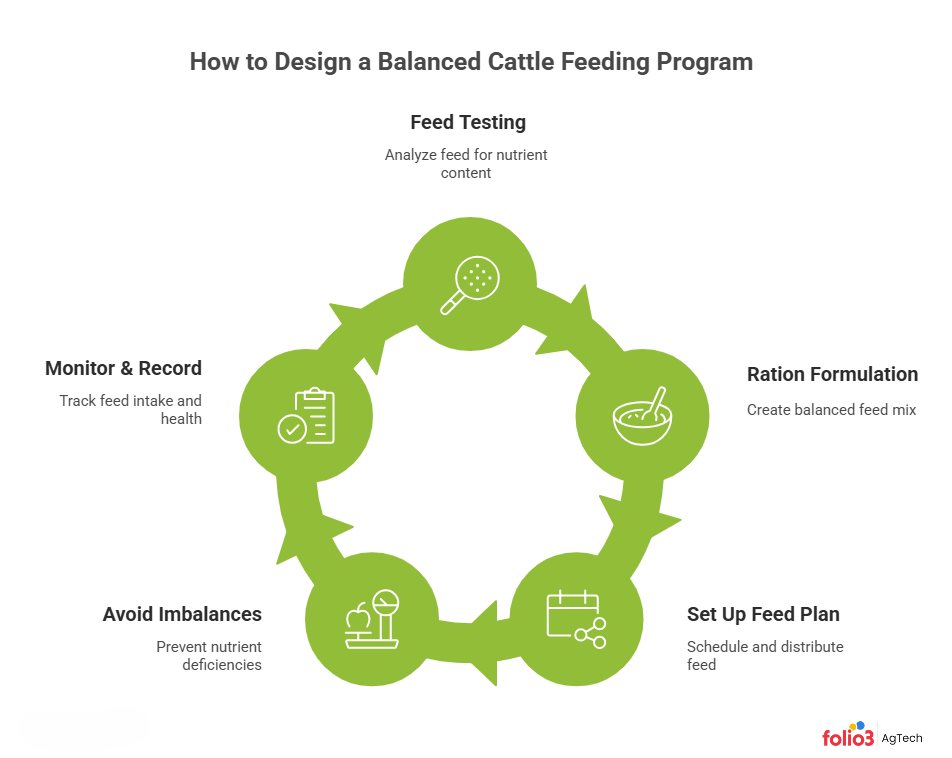
A well-designed feeding program lets you match rations to your herd’s needs, reduce waste, prevent nutrient gaps, and make every feed dollar work harder for you.
Feed Testing & Ration Formulation
Begin with data to analyze your feeds. Lab tests of hay, silage, and grain reveal protein, energy, and fiber levels. It avoids guesswork: without analysis, rationing by sight can easily under- or over-supply key nutrients. Using test results, you can manage feed rations for cattle effectively to match animal needs.
Meanwhile, Cattle ration-balancing tools combine feed values and animal requirements to mix diets that provide just enough protein, energy, and minerals without waste. In practice, that means you select feeds and supplements so cattle meet their nutritional needs at the lowest cost.
Setting Up a Feed Plan
A solid feed plan specifies who eats what and when. Divide the herd into groups, respectively, as calves, bred cows, heifers, and bulls with similar needs. Determine daily rations for each group and make sure there is ample bunk space so that all animals can eat at once. Plan feeding schedules; ideally, two meals per day at consistent times to stabilize intake. Always provide clean, fresh water with feed. Keep written notes or logs of your plan, even a simple chart, so you can track feed usage and adjust as seasons or herd size change.
Avoiding Nutrient Imbalances & Waste
Balance and efficiency go hand-in-hand. Avoid oversupplying any one nutrient: for example, feeding high-phosphorus grain without enough calcium throws off the Ca:P ratio, which can harm reproduction or bone health. Likewise, any extra protein or mineral that animals can’t use is simply excreted, resulting in a waste of money and creating manure nutrient pollution. Also, stack or cover hay to keep it dry, and leverage creative cattle feed bunk ideas to ensure cattle eat most of the feed. Spilled grain or trampled hay is expensive waste; good feeders and prompt cleanup help prevent it.
Monitoring & Record-Keeping
Track feeds and cattle performance meticulously using digital checklists in beef feedlot operations. Record how much hay, silage, grain, and supplement each group consumes, along with costs. Also monitor animal outcomes, including weights, body condition, and reproduction rates, as experts warn that producers cannot improve what they do not measure. Weigh or body-condition-score cattle regularly to confirm targets are being met. After any diet change, compare performance before and after. Reviewing these records over time lets you refine ratios and make data-driven decisions.
Feeding Systems & Technology
Modern feeding systems and technology help you save time, improve consistency, and monitor cattle performance more accurately, allowing you to feed smarter, not harder.
Traditional Feeding Systems
Traditional cattle feeding is simple: animals graze pasture or are fed stored forages and grain by hand using feeders or bunks. Many herds rely on rotational grazing, plus routine hay or silage feeding in winter. In confinement or feedlot settings, rations are delivered by wagon or loader into troughs or bunkers. These methods work well on smaller operations but require regular labor: someone must mix the feed, fill the feeders, and observe the cattle. The upside is hands-on oversight; the downside is the labor cost and potential for human error or uneven feeding.
Automatic & Precision Feeding
Modern operations are increasingly automating feeding to save time and improve consistency. Automatic feed mixers and wagons can weigh and deliver precise rations of forage and grain with minimal labor. Robotic bunk feeders or individual feed stations in barns dispense measured portions to each animal, often using RFID ear tags to identify individuals.
Moreover, these systems ensure each cow gets its designed diet even as the herd grows. Movable feed pushers or conveyor systems keep feed within reach, reducing waste. On pasture, systems like solar-powered creep feeders or GPS-controlled movable feeders allow precise supplements of grain or minerals to calves or specific groups. Overall, automatic feeders give uniform results day after day and improve feedlot efficiency, freeing you to focus on other herd tasks.
Integration with Herd Health & AI
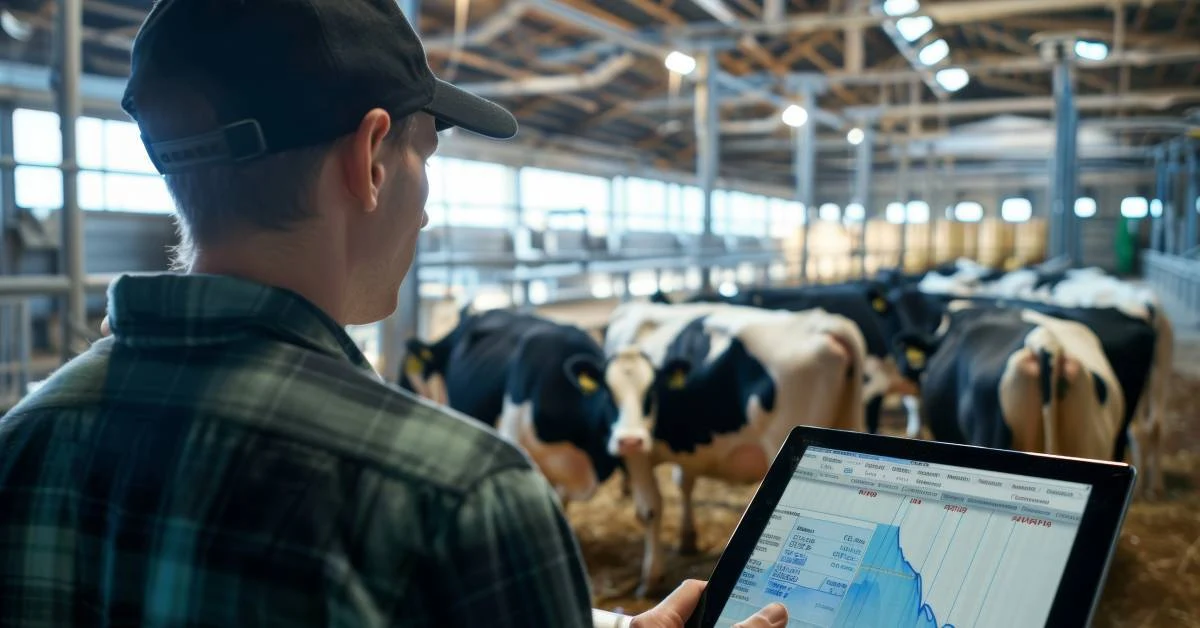
Today’s feeding technology ties into herd management software and analytics. “Smart” feeders record how much each cow eats and send the data to farm computers. Precision livestock farming technologies like wearable sensors or cameras can monitor rumination and feeding behavior, linking nutrition to health status. For example, a cow that suddenly eats less may be flagged for veterinary attention.
Farm management platforms and AI-driven tools then turn this data into smarter feeding decisions, delivering the benefits of using feedlot software for improved outcomes. Some systems analyze feed intake, weather, and animal behavior to forecast needs and adjust rations automatically. As these systems learn from more data, predictions become more accurate.
Water & Environmental Considerations for Cattle Feeding
Cattle need abundant water, and even mild dehydration quickly cuts feed intake and production. Always provide free-choice, uncontaminated water: test your supply for nitrates, sulfates, or heavy metals, and keep troughs clean. A lack of water can stall gains and milk yield.
Water Needs by Species:
Approximate daily intakes are:
- lactating dairy cows ~15–35 gal (a 100-lb/day milking cow might drink ~50 gal)
- Dry cows ~9–13 gal
- Mature horses ~9–10 gal (up to ~20 gal when working)
- Sheep ~1.5–3 gal, and swine ~3–5 gal.
Adjust feed and salt accordingly: hot weather drives intake up, cold weather can drive it down.
Water Quality
Poor-quality water (high in nitrates, sulfates, iron, etc.) can harm livestock. Test wells and ponds; avoid grazing or letting cows drink directly from manure-contaminated sources. Water that smells or tastes bad will be refused. Use filters or blending if needed. Providing multiple water points (especially in large pens) prevents overcrowding and ensures shy animals can drink.
Manure and Nutrient Runoff
Manage manure as a resource. Ideally, capture and store manure until it can be spread on cropland or pasture at agronomic rates. Use retention ponds or cover crops to capture overflow runoff. Plant vegetative buffer strips along streams and drains to filter out nitrogen and phosphorus. Balanced feeding, matching grain protein to animal needs, minimizes excess nitrogen excretion. Well-managed nutrient plans keep feed inputs and manure outputs in balance, protecting soil and water quality.
Climate Considerations
Adjust feeding for weather extremes. In cold weather, provide extra energy and shelter, since cattle burn more feed to stay warm. In heat, offer feeds during cooler hours and ensure plenty of shade and cool water; consider adding electrolytes or buffers on very hot days. During drought, supplement poor pasture with conserved forages and reduce stocking rates if needed. Always protect water supplies from freezing in winter and from overheating in summer.
Feed Cost Control & Improving Profitability
Feed drives costs, so controlling it directly boosts your margins and helps overcome the top challenges in feedlot management. In many cattle enterprises, feed makes up over half of all expenses. Other costs, such as labor, fuel, and vet bills, matter too, but feed is usually king. Larger herds typically have lower costs per animal because fixed costs are spread out. By contrast, small herds pay more per head, so precise feeding and efficiency are critical on smaller farms.
Cost drivers & economies of scale
Feed prices fluctuate, but the nutritional needs of a cow don’t change with herd size: a 1,200-lb cow eats about the same whether she’s in a herd of 20 or 2,000. However, big operations can spread machinery and infrastructure costs over more animals. USDA data show total costs per cow drop sharply as herd size grows. The main savings come from spreading overhead and unpaid labor. Even feed storage and hauling may be more efficient in bulk. Small producers must therefore be extra careful: optimize every penny of feed by reducing waste and targeting nutrients.
Strategies to Reduce Costs
Cutting feed expenses starts with smarter planning to optimize feedlot operations, reducing waste, improving forage use, and choosing cost-effective ingredients that still meet your herd’s nutritional needs.
- Enhance forage use: Improve pasture productivity and use rotational or strip grazing to maximize forage intake. Extend the grazing season through stockpiled grazing and by grazing crop residues after harvest. Every day cattle spend on pasture is a day less of bought feed.
- Test and balance rations: Analyze your hay and silage for protein and energy. Use those results in ration formulation so you don’t guess supplements. By matching feed quality to animal needs, you avoid overfeeding expensive nutrients. Well-balanced rations improve gain or milk output per pound of feed.
- Use alternative feeds: Incorporate economical byproducts like distillers’ dried grains, beet pulp, and soybean hulls as supplements. These coproduct feeds often supply protein or energy more cheaply than corn. Local availability and prices vary, so watch markets because a good deal on a coproduct can cut your bill.
- Minimize waste: Reduce losses in storage and at the bunk. Cover hay to keep it dry, store grains in rodent-proof bins, and use feeders or mixers that prevent sorting. Simple upgrades often pay off quickly by preserving expensive feed.
- Group by needs: Separate cattle by size or production stage so you can tailor rations. Calves, heifers, mature dry cows, and bred cows should be fed in groups with similar needs. That way, you’re not overfeeding maintenance cows or underfeeding lactating ones. Targeted feeding ensures supplement dollars go where they do the most good.
- Buy and grow wisely: When possible, buy feed in bulk or at times of low prices. Produce your own hay if land and weather allow. Join cooperatives or share transport to reduce costs. Keep an eye on feed conversion because feeding more costly feeds may still pay off if they make cattle grow faster.
Measuring Profitability
Measure the payoff from any feeding program. Useful metrics include feed cost per unit of gain and feed conversion ratio. Extension specialists advise watching feed cost per pound of gain and days on feed to evaluate a ration’s efficiency.
Also, calculate gross margin: compare the revenue you get from selling animals to the total feed costs used to get them there. Keep records of these figures over time. If a change in feed or management is made, you should see it reflected in these metrics. Tracking profitability in this way helps you fine-tune feeding and focus on practices that deliver the best financial returns.
Supplements, Additives & Health Enhancements
Targeted supplements and additives help support immunity, digestion, reproduction, and growth, giving you practical tools to improve herd health and overall productivity.
Minerals & Vitamins
Even a well-formulated ration often needs added minerals and vitamins. Typical beef mineral mixes include salt, calcium, and phosphorus plus trace elements for immune and reproductive health. Vitamins A, D, and E are also crucial; green grasses supply vitamin A precursors, but hay and silage have lower vitamin content, so premixes supply these vitamins to support reproduction, growth, and immunity. A balanced mineral-vitamin supplement tracked through animal care software prevents hidden deficiencies and ensures cattle get all micronutrients needed for top performance.
Feed Additives & Functional Supplements
A variety of feed additives can further boost efficiency. Ionophores are widely used in beef diets because they consistently improve feed efficiency and daily gain. Direct-fed microbials (probiotics) and yeasts support rumen health; research shows that good probiotic products can enhance feed conversion and even reduce methane emissions.
Meanwhile, Sodium bicarbonate or other rumen buffers are added to high-grain diets to prevent acidosis. Other supplements like enzymes, essential oils, or plant extracts are being used to improve digestion or animal health, though their benefits depend on conditions and costs. When used correctly, these functional supplements let you do more than just feed cattle: they fine-tune nutrition to improve weight gain and herd health.
Managing Anti-Nutritional Factors
Some feed ingredients naturally contain anti-nutritional factors (ANFs) that must be addressed. For example, raw soybeans and some legumes have trypsin inhibitors and lectins, cottonseed contains gossypol, and moldy feeds have mycotoxins. These compounds can reduce protein digestion, intake, or immune function.
Mitigation is key: proper processing destroys many enzyme inhibitors, and additives or feed conditioners can bind toxins. For instance, extruded soybean meal has no active trypsin inhibitors, and mycotoxin binders can be fed if grain tests high for toxins. In practice, always inspect feeds and avoid feeding contaminated batches. Addressing ANFs protects the health and productivity of your cattle.
Seasonal & Life-Cycle Adjustments
Adjusting feed according to seasons and life stages ensures cattle get exactly what they need through heat, cold, growth, pregnancy, and drought conditions.
Winter Feeding
Cold weather raises cattle’s energy requirements, since they burn extra feed to stay warm. As a rule of thumb, energy needs increase about 1% for each °F below the cow’s comfort zone. In practice, it means offering higher-quality or higher-energy feeds in winter. Provide good-quality hay, and consider supplementing grain or dried distillers’ grain to keep cows in condition when temperatures drop. Windbreaks or sheltered loafing areas can significantly reduce heat loss. Also, keep mineral blocks accessible even when water may freeze.
Summer Feeding
Heat stress suppresses appetite and performance. To compensate, adjust feeding timing and environment. Offer larger portions during cooler parts of the day (evening or early morning) and ensure unlimited cool water. Shade (trees, cloth) and fans can keep animals from eating normally. On hot days, cattle often benefit from diets with slightly higher protein and from added electrolytes or buffers. Also watch for bloat when grazing lush spring grass: using ionophores or anti-bloat mineral supplements can help. In summary, keep cattle cool and hydrated, and adjust rations to their reduced intake under heat.
Life-Stage Tailoring
Cows and calves have shifting nutritional needs. Lactating cows demand more energy and protein than dry cows; growing yearlings need more protein than mature stock. Tailor rations accordingly: use higher-energy concentrates for finishing steers or breeding bulls, and maintenance rations for idle dry cows. Adjust the feeding program as cattle move through stages. Monitoring body condition and weights helps you catch any imbalances and feed each group for its needs.
Drought & Pasture Management
When drought hits and pasture growth stalls, proactive feeding is crucial. Begin supplementing with hay or silage before cows lose too much condition – even before grass is completely gone. Reduce stocking rates or rotate cattle to the best forage areas to prevent overgrazing. Consider alternative forages to carry the herd through dry spells. Also, ensure ample water, since wells and ponds can dry up. After the drought, plan forage restoration so pastures recover faster. Good drought management combines nutrition and grazing strategy to keep cattle healthy until rains return.
Practical Feeding Management Tips
Simple daily management habits include better feeders, consistent schedules, clean water, and organized records. It helps you feed more efficiently and keep your cattle performing their best.
- Use quality feeders/bunks: Well-designed bunks and feeders minimize waste. For example, plastic bale feeders or covered silage bunks reduce trampled feed. Clean feeding equipment regularly to prevent mold and spoilage.
- Group animals by needs: Feed smaller, similar groups rather than the whole herd together. This way, dominant ones don’t push out shy or young animals, and each group gets the appropriate ration.
- Maintain a consistent schedule: Feed at the same time each day. Changes (e.g., switching from grass to hay, or ration adjustments) should be made gradually over 1–2 weeks to avoid digestive upsets.
- Store feed properly: Keep hay and grain in dry, pest-free conditions to avoid feedyard maintenance problems by checking stored feed regularly for spoilage. Monitor feed inventory so you can buy more early if needed and avoid emergency high prices.
- Keep records: Log feed purchases, amounts fed, ration changes, and animal performance. Tracking these details helps you spot trends and evaluate the impact of any management change.
Conclusion
Thoughtful feeding is the foundation of a healthy, profitable herd. When you test forages, balance rations, and feed strategically, cattle grow better, reproduce consistently, and waste less feed. Adjust your program seasonally and by life stage to keep animals performing at their best year-round. The real difference comes from consistency through monitoring intake, tracking costs, and making data-driven adjustments.
This is where modern tools add value, as efficient feedlot management helps you streamline feeding, cut waste, and improve decisions with accurate records. With the right practices and technology, you can feed smarter and strengthen long-term profitability. Ready to Feed Smarter? Connect with our AgTech experts to discover how you can cut feed costs, reduce waste, and improve herd performance by developing a Feedlot Management System with Folio3 AgTech.
FAQs
What Is The Best Feed For Cows At Different Life Stages?
The ideal feed for cows depends on their stage of growth and production. Calves need higher-protein starters, growing animals require energy-dense rations, and lactating cows benefit from quality forages plus protein and energy supplements to maintain milk output and body condition.
How Do I Know If My Cattle’s Diet Is Properly Balanced?
You can tell a diet is balanced by watching your cattle’s body condition, coat quality, weight gain, manure consistency, and overall performance. Regular forage testing and ration reviews with a nutritionist help ensure nutrient levels match your herd’s needs.
What Are The Most Cost-Effective Protein Sources For Beef Cattle Feed?
Affordable protein options often include byproducts such as dried distillers’ grains, corn gluten feed or meal, brewers’ grains, and soybean hulls, along with oilseed meals and local legumes when available.
What Are The Signs That My Current Feeding Program Needs Improvement?
Warning signs include unexpected weight changes, low energy, poor coat or skin condition, reduced performance, or digestive issues that indicate the diet may need adjustment.
What Are The Advantages Of Automatic Feeding Systems For Livestock?
Automatic feeders save labor, reduce feed waste, and improve consistency. They support healthier growth by delivering precise portions and creating a calmer, more predictable feeding environment.