
Running a cattle operation today means doing more with fewer hands, less margin for error, and rising buyer expectations. Livestock farming technology is how progressive ranchers close that gap, not by replacing boots-on-the-ground judgment, but by backing it with better data. The result? More time back in your week, fewer surprise losses during calving, and tighter control over pasture utilization.
This guide is built for cow-calf operators, ranch managers, and livestock professionals who need practical answers. Whether you run 100 head or 5,000, the principles of modern livestock farming technology scale the same way.
The smartest approach? Start small with one problem, prove the value with real numbers, then expand only when you trust the data.
What Is Livestock Farming Technology
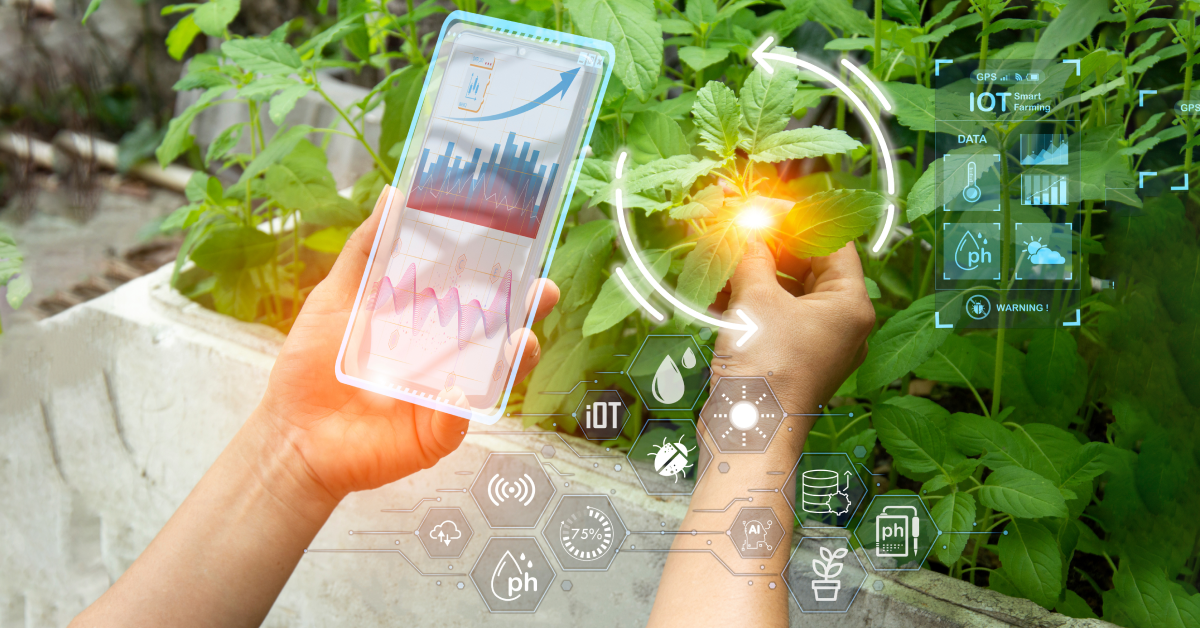
Livestock farming technology is the combination of tools, sensors, and software that help you measure what is happening with your animals, make faster decisions, and act before small problems become expensive ones. It is technology plus process, not just gadgets.
Think of it as a “measure, decide, act” loop: collect data, interpret it (alerts, trends), and decide what to do next. Academically, this is called Precision Livestock Farming (PLF), the combined use of sensors, algorithms, and interfaces in animal husbandry. For your purposes, it means turning observations into repeatable, data-backed decisions.
Where It Fits in a Cattle Operation
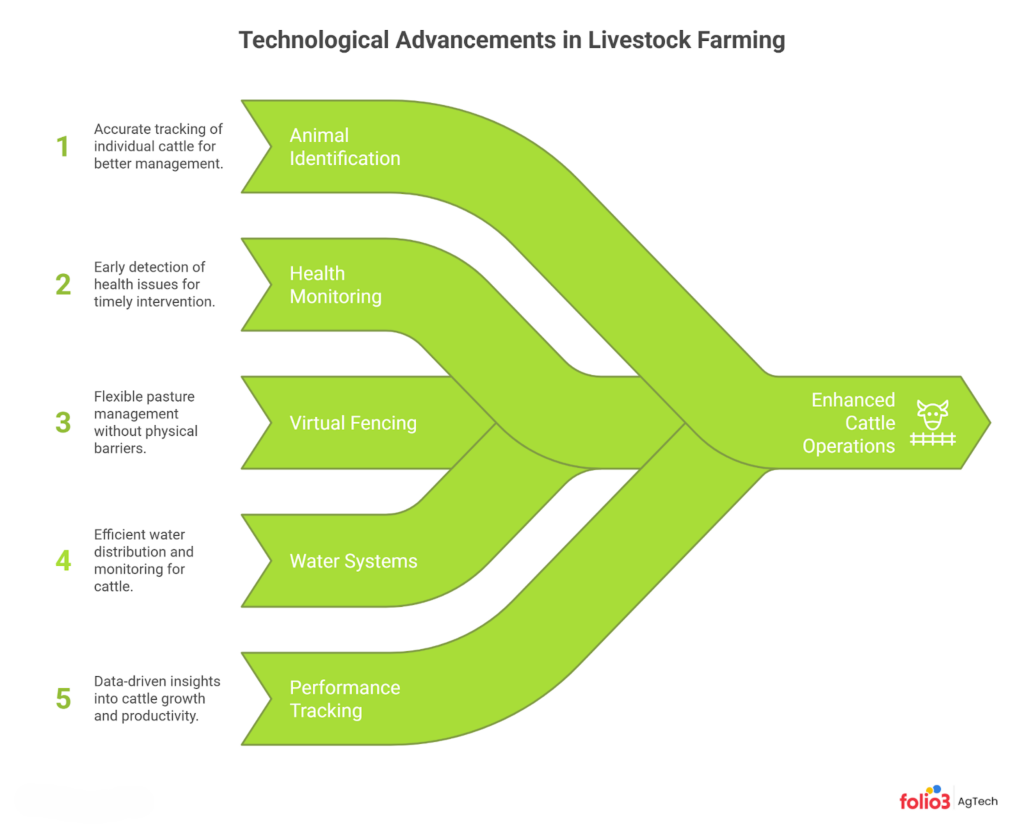
Technology in livestock farming touches nearly every job on a cattle operation. Here are the core areas where it plugs in:
- Animal identification and records: RFID/EID tagging, digital herd histories
- Health and behavior monitoring: activity tracking, early illness detection, heat detection
- Grazing and forage management: virtual fencing, pasture allocation, forage utilization tracking
- Water, weighing, and reproduction: trough sensors, walk-over scales, breeding management software
- Compliance and traceability: audit-ready records for movement, treatments, and certifications
Modern vs. Precision vs. Smart Livestock Farming Technology
These terms show up constantly in search results and vendor marketing. Here is what each one actually means, so you can match the right search to the right solution.
Modern Livestock Farming Technology
Modern livestock farming technology refers to widely available, commercially proven tools that reduce manual work and improve visibility across your operation. Think electronic ear tags, basic herd management apps, and digital scales. These are table-stakes tools that most operations can adopt without a steep learning curve.
Precision Livestock Farming Technology
Precision livestock farming technology takes it further by monitoring individual animals and feeding that data into decision-support systems. However, it is worth noting that impact evidence varies by tool and context; not every sensor delivers the ROI that marketing materials promise.
Smart Livestock Farming Technology
Smart livestock farming technology describes connected systems that can trigger actions automatically. It is like sending alerts when a cow’s behavior changes, opening automated gates, or kicking off a treatment workflow in your cattle management software.
The Building Blocks of Precision Livestock Farming Technology
Before you buy any single tool, you need to understand the system. Too many ranchers invest in a standalone gadget that does not connect to anything else. Technology in livestock farming works best when the three layers connect cleanly.
Sensors: On-Animal, Near-Animal, From-Animal
Sensors are the eyes and ears of the system. In cattle operations, the most relevant types include:
- Wearables: GPS-enabled collars for location tracking and virtual fencing, ear tags with accelerometers for activity and rumination data
- Cameras and microphones: pen-mounted systems that capture behavior patterns, lameness detection, and feeding activity
- Environmental sensors: scales, water flow meters, and in broader livestock contexts as milk and feed sensors
Data Pipeline and Connectivity
Here is where most technology evaluations fall apart. A sensor is useless if the data cannot get off the device. You need to understand where data lives, what happens when cell coverage drops, and the real-world battery and maintenance burden.
Virtual fencing illustrates this well: a GPS collar needs reliable satellite lock, device-level software for audio and pulse cues, and connectivity to sync boundary changes from your phone. In areas with poor coverage, some systems store data locally and sync when a connection returns.
Algorithms, Alerts, and Decisions
Alerts are only useful if you trust them. Demand to know the “why” behind every alert: what threshold triggered it and what confidence level backs it. Alert fatigue is a real risk; if your crew ignores notifications because most are false alarms, the system is worse than nothing. Validate tools under your specific ranch conditions, and recognize that some systems are commercially mature while others are still emerging.
Modern Livestock Farming Technology That Matters Most on Cattle Operations
Let us match specific tools to the real jobs they solve on a cattle operation.
Animal Identification and Recordkeeping
Everything starts here. RFID and EID (electronic identification) tags give every animal a unique digital identity. Once that is in place, you can link treatments, weights, calving events, and movements to a single record. This unlocks searchable history, compliance-ready reporting, and the ability to make data-driven culling and breeding decisions. Without solid identification, every other technology is building on sand. A reliable cattle record-keeping system ties it all together.
Health, Behavior, and Early Warning Monitoring
Activity patterns, rumination trends, and temperature shifts can signal illness days before visible symptoms appear. The problems this solves: late sick pulls, missed heats, and undetected stress. Your minimum viable setup is a tag or collar paired with a dashboard that flags animals deviating from their baseline. Sensors can capture numerous biological parameters, and real-time cattle health data enables proactive management that manual observation cannot match.
Virtual Fencing and Pasture Allocation
Virtual fencing uses GPS-enabled collars to create adjustable, invisible boundaries. When a cow approaches the boundary, it hears an audio cue. If it continues, a mild electrical stimulus follows. Over time, cattle learn to respond to sound alone. Initial training is essential. It excels at rotational grazing, targeted cover-crop grazing, protecting riparian areas, and eliminating daily polywire labor. A cost comparison of virtual versus traditional fencing shows clear flexibility advantages for operations managing multiple paddocks.
Water Systems Monitoring
Water is non-negotiable for performance, and a dry or frozen trough can undo weeks of gain. Trough-level and flow-rate sensors send alerts for low water, leaks, and freeze events before animals go without. The payoff: fewer emergency trips to remote troughs and better animal performance from consistent access.
Weighing and Performance Tracking
Walk-over scales or periodic weigh stations capture weights passively as cattle move through lanes or water points. Turning weights into trend lines changes decisions: identifying calves for early marketing, timing supplement adjustments, and spotting underperformers. The advantage is fewer formal weigh events with better trend visibility over average daily gain and marketing windows.
Use-Case Playbooks for Livestock Farming Technology
Concepts are useful. Workflows you can actually follow are better. Here are three playbooks matched to common cattle operations.
Cow-Calf: Calving Season Visibility
Track location patterns and separation behavior during calving using GPS collars or activity tags. Set alerts for cows that isolate from the herd, a classic pre-calving signal and schedule check reminders in your livestock management software. Confirm alerts in person, then log calving outcomes back into the system. Success: fewer missed dystocia events, faster response, and a calving record that informs next year’s breeding decisions.
Grazing Rotation with Virtual Fencing
Start with a training phase; most systems need three to five days for cattle to learn the audio cue. Your weekly routine: redraw paddock boundaries from your phone, review compliance data, and adjust water-point access. Practical constraints include tree cover degrading GPS accuracy, steep terrain, and cell gaps. The analysis from a project showed that one producer increased cover-crop grazing from 90 to 170 grazing days per acre with virtual fencing, nearly doubling utilization.
Backgrounding or Stocker Management
Monitor intake proxies (activity, time at bunk), weights, and water consumption to build individual trend lines. Use those trends for sorting and marketing decisions based on data, not guesswork. When you can see which steers are gaining 3.2 pounds per day versus 2.1, you group them for different marketing windows and optimize feedlot operations around actual performance.
How to Choose and Roll Out Technology
To get the most out of your livestock farming technology implementation, try the following rollout plan and gain the maximum outcome:
The 90-Day Rollout Plan
- Days 1–14: Define one problem. Baseline key numbers: labor hours, missed pulls, grazing days per paddock.
- Days 15–45: Pilot with 20–50 head, one pasture, one tool. Document training, crew friction, and maintenance.
- Days 46–90: Expand only if data is trusted and decisions improved. If labor dropped or losses decreased, you have proof. If not, adjust before scaling.
Vendor and Tool Checklist: Questions Ranchers Should Ask
Before signing anything, run through these questions:
- Battery life and service plan: How long between charges or replacements? What does the warranty cover?
- Offline behavior and sync: Does the device work without cell service? How does it sync when reconnected?
- Data export and ownership: Can you export your data in standard formats? Who owns the data?
- Support response time in season: What is the turnaround during calving or peak grazing when downtime costs real money?
- Training burden for crew: How many hours to get your team competent? Is support available in the field?
Technology Selection Matrix:
| Ranch Job | Tech Category | Data Captured | Decision It Improves | Key Pitfall to Watch |
| Rotate grazing faster | Virtual fencing | Location, boundary events | Paddock moves, utilization | Coverage and training gaps |
| Find problems earlier | Wearables and monitoring | Activity patterns | Check priority list | False alarms, alert fatigue |
| Reduce water surprises | Water monitoring | Flow, level, faults | Dispatch and maintenance | Sensor placement issues |
| Track performance | Weighing systems | Weights over time | Sort, supplement, sell timing | Inconsistent weigh conditions |
| Keep clean records | EID and herd software | ID-linked events | Treatments, movement history | Incomplete data entry habits |
Risks and Limits of Precision Technology and How to Reduce Them
Hardware failures, bad data, and crew pushback can derail adoption. Simple maintenance habits and validation routines keep systems reliable.
Operational Risks
Hardware fails in rough conditions; that is not a question of if, but when. Collars get snagged, sensors get trampled, and batteries die at the worst time. Build a maintenance schedule, keep spare units on hand, and plan for crew adoption challenges. The technology only works if your team uses it consistently.
Data Quality Risks
Bad baselines produce bad alerts. If your starting data is noisy, incomplete, or entered inconsistently, every downstream decision is compromised. Simple validation habits make the difference: periodic spot checks against manual counts, quarterly audits of your records, and a consistent data-entry protocol for every crew member.
Animal Welfare and Training Considerations
Virtual fencing is the most common welfare question. Proper training is critical as cattle must learn the audio cue first, and well-designed systems show declining pulse events over time as animals associate the sound with the boundary. If pulse counts are not decreasing within the first week, revisit your training protocol or boundary placement.
Proving Value, Sustainability, and Better Records
Track time saved, losses avoided, and forage gains. Real ROI shows up in labor hours and grazing days, not spreadsheets.
ROI Without Complex Math
You do not need a spreadsheet model to prove value. Track three things:
- Time saved per week
- Losses avoided as fewer missed sick pulls or fewer calving complications
- forage utilization improvement
Sustainability Pillars
Sustainability sits on three pillars:
- Environmental (less overgrazing, better water use)
- Economic (lower labor costs, fewer losses)
- Social (safer conditions, less burnout)
When your animal health monitoring system catches a sick animal two days earlier, that is better welfare and better economics at the same time.
Take Action Today!
Pick one problem that costs you the most time or money right now, whether that is grazing moves, water checks, calving visibility, or inconsistent weight data. Define it, baseline it, and pilot one tool against it for 90 days. If you want help matching the right technology to your operation, explore a livestock management platform built for cattle professionals. Reach out for a quick tech-fit consultation. The best time to start was last season, and the second-best time is a pilot group this month.
FAQs
What Is Smart Livestock Farming Technology?
Smart livestock farming technology refers to connected systems that automate responses. It includes triggering alerts, activating gates, or initiating workflows based on real-time sensor data without requiring manual intervention for every event.
What New Technology In Livestock Farming Helps Grazing The Most?
Virtual fencing using GPS-enabled collars delivers the biggest impact on grazing management. It eliminates physical interior fencing labor, enables rapid paddock redraws, and has shown potential to nearly double forage utilization in documented field trials.
Do I Need Strong Cell Coverage For These Tools?
Not always. Many devices store data locally and sync when coverage returns. However, real-time alerts and remote boundary changes for virtual fencing require some level of connectivity. Evaluate your specific pasture coverage before committing.
What Should I Implement First On A Cow-Calf Operation?
Start with EID-based animal identification and a digital record-keeping system. This is the foundation that makes every subsequent technology investment—health monitoring, weighing, breeding tracking, more valuable and actionable.