
Monitoring on a cattle operation is not about screens and dashboards; it is about catching the small changes that become expensive problems when you miss them. At its core, a livestock sensor system is any technology that collects data from your animals, water infrastructure, or environment and turns it into something you can act on before losses stack up.
The principle is simple: when you detect a drop in activity, a failing water trough, or a calving signal hours earlier than you would on foot, productivity and welfare both improve. Research confirms that sensor-detected behavioral changes in cattle can appear four to six days before clinical signs of respiratory disease become visible. That gap between early detection and late discovery is where money, labor, and animal lives are saved.
This guide covers the sensor types that matter, where AI actually helps, how to set up remote monitoring that holds up in real pasture conditions, and a buying checklist so you do not get locked into a tool that cannot deliver. Whether you run a cow-calf outfit or manage stockers, this is your practical roadmap to livestock sensor monitoring that works.
Why Livestock Monitoring Matters Now and What the Livestock Monitoring Market Signals
Increasing Adoption with Varied Results
The livestock monitoring market is projected to grow from roughly $1.65 billion in 2025 to $2.57 billion by 2031, driven by broader adoption of smart farming technology across agricultural operations. More devices exist today than ever; GPS collars, ear tag accelerometers, water sensors, thermal cameras, yet many ranches still struggle to convert alerts into action.
Hardware Alone Does Not Create Value
The difference between operations that get value and those that shelve the technology after one season is rarely the hardware. It is the process behind it: who reviews alerts, what triggers a response, and how outcomes get logged back into the system.
Monitoring Is About Preventing Late Discoveries
Livestock monitoring technology does not need to predict the future perfectly. It needs to reduce the late calls, the dead pulls you find at daybreak, the water failure that went unnoticed for twelve hours, and the heifer that calved unassisted in the wrong pasture.
Earlier Signals Lead To Faster Intervention
Earlier detection beats perfect prediction every time. When your monitoring catches a two-day activity drop before a calf shows obvious respiratory signs, you pull it sooner, treat it earlier, and spend less on antibiotics.
Turning Reactive Scrambles Into Proactive Checks
That is the real promise of monitoring: turning reactive scrambles into proactive checks. The goal is not zero surprises, but fewer of the ones that cost real money and animal welfare.
What a Livestock Sensor System Is and What It Is Not
A complete livestock sensor system is not a single device. It is four layers working together, and IoT connectivity in livestock monitoring only delivers when all four layers connect:
- Sensing: On-animal devices (collars, ear tags, boluses), near-animal equipment (cameras, scales), and infrastructure sensors (water level, environment)
- Connectivity: How data moves from the sensor to your phone or dashboard, like cellular, LoRaWAN, satellite, or edge devices that process locally
- Analytics: Rules, thresholds, and AI models that filter raw data into prioritized alerts
- Action: What your crew does next; the triage, the confirmation check, the treatment, and logging the outcome, so the system improves
Common Myths That Waste Money
Before you buy a single livestock monitoring sensor, clear out these misconceptions:
- More data equals better outcomes: It does not. Unfiltered data floods your crew with noise. What matters is the right data connected to the right decision at the right time.
- One sensor type covers all risks: A collar tracks movement but will not catch a water failure. A trough sensor will not detect lameness. Match sensors to the specific problem you are solving.
- Alerts alone fix problems: Without a defined response plan, alerts become background noise that your team learns to ignore. Every alert needs a clear owner and a next step.
What to Monitor First for Livestock Productivity
Not every metric matters equally. For cow-calf and grazing operations, the livestock health monitoring signals that drive the biggest returns are:
- Activity change: A sudden drop in movement or time at the bunk is often the first signal of sickness, injury, or going off feed. On a 500-head operation, catching a sick pull two days earlier can mean the difference between a $15 treatment and a $500 loss.
- Reproductive timing: Heat detection and calving signals reduce missed breeding windows and overnight calving checks. Monitoring breeding events digitally tightens your calving interval and improves calf crop percentage.
- Time to find animals: On extensive operations, knowing where cattle are cuts hours off gathering and checking. That is pure labor and vehicle cost reduction.
Where Most Programs Fail
Two patterns kill monitoring programs early. First, too many “interesting” alerts. If your system flags twenty animals a day and only two actually need attention, your crew will stop checking within a week. Second, not enough baseline time. Livestock monitoring sensors need days or weeks of normal behavior data per animal before thresholds mean anything. Rushing to act on noisy early data destroys trust in the system.
What to Monitor for Welfare and How to Prove You Improved It
Welfare is not a feel-good claim when you can put numbers behind it. Livestock health monitoring makes that possible with three concrete metrics:
- Heat stress indicators and recovery time: Track respiration proxies, shade-seeking behavior, and how quickly cattle return to normal activity after a heat event. That data shapes your cooling and shade investment decisions.
- Lameness or isolation signals: Animals that separate from the group or reduce movement consistently often have hoof or injury issues. Cameras and wearables both catch this.
- Time to treatment: The interval between the first alert and the first intervention. This is your animal health monitoring KPI, so track it, shrink it, and prove the improvement.
Where AI Helps and Where It Does Not
Livestock health monitoring AI excels at pattern recognition: spotting subtle changes across hundreds of animals that a human eye would miss in video feeds or accelerometer data. It is good at prioritizing which alerts matter most when multiple animals flag simultaneously. But AI still needs humans for confirmation and treatment decisions. No algorithm replaces a stockperson’s eyes on an animal. Think of AI as a better filter, not a replacement for judgment.
The Monitoring Toolbox: Wearables, Cameras, Water, Environment, and Drones
Match each sensor type to the ranch job it solves best, and avoid spending on tools that overlap or underdeliver. Understanding different agricultural sensor types helps you select the right monitoring hardware for your specific livestock operation needs.
On-Animal Sensors
Wearable livestock monitoring sensors typically detect activity levels, rumination patterns, temperature proxies, and GPS location. Proper livestock identification and traceability ensure that sensor data from ear tags and collars connect accurately to individual animal records throughout the production cycle. Collars work well for location tracking and virtual fencing; ear tags suit large-scale health monitoring where collar loss is a concern. Boluses measure core body temperature but require proper placement. In extensive grazing, battery life and ruggedness are the common limits, so ask how devices perform after six months of UV, rain, and brush.
Cameras and Edge AI
Livestock monitoring cameras beat wearables when animals funnel through a fixed point, such as processing lanes, water troughs, feed bunks, or barn entries. Thermal and low-light cameras add value for nighttime calving checks and heat-stress monitoring. For remote livestock monitoring, edge AI processing on-site means you do not need constant cloud connectivity as the camera processes locally and sends only the summary alerts.
Water and Infrastructure Sensors
A livestock water sensor tracks trough level, well output, leak flags, and pressure drops. The critical insight: water failures often look like health problems first. When cattle go off water, activity drops and behavior changes, and if your monitoring system does not check water status before assuming sickness, you waste time pulling healthy animals.
| Monitoring Option | Best For | What It Measures Well | Common Failure Mode | Must-Have Feature |
| Wearables | Individual animal change detection | Activity patterns, rumination proxies, movement | Noise from normal variation | Baseline learning per herd |
| Cameras | Pens, lanes, water points, barns | Behavior, body condition cues, crowding | Occlusion and poor lighting | Edge processing for remote sites |
| Water sensors | Prevent hidden water failures | Level, flow, pressure, leaks | Sensor placement mistakes | Alarm thresholds with delay rules |
| Environment sensors | Heat and air quality risk control | Temp, humidity, CO₂ proxies | Wrong location in barn or shade | Calibration checks |
| Drones | Fast verification over distance | Locate, count, spot isolation or injury | Inconsistent routines and weather limits | Standard flight checklist |
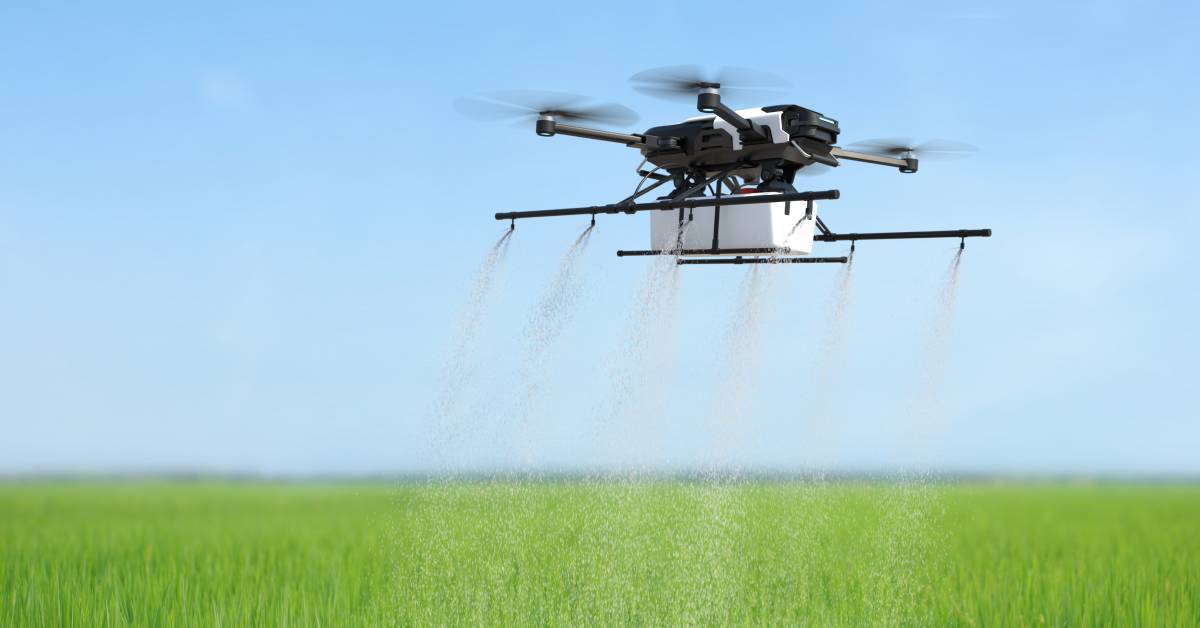
Drones complement ground-based livestock monitoring by providing rapid visual verification across extensive pastures, particularly useful when sensor alerts indicate isolated or injured animals in remote locations.
How AI Turns Monitoring into Fewer Losses Without Turning Your Ranch into a Lab
Start with simple alert rules your crew trusts, then layer AI to prioritize which animals need attention first.
The Simple Version of AI Value
Livestock health monitoring AI does two things well. First, it detects abnormal patterns early by flagging the animal whose activity dropped 30% from its own baseline, not from an arbitrary herd average.
Second, it prioritizes which alerts matter most. When fifteen animals flag on the same morning, AI can rank them by severity and confidence so your crew checks the highest-risk animals first.
The “Rules First, AI Second” Approach
IoT in livestock monitoring works best when you layer intelligence gradually. Start with clear, simple thresholds and workflows your crew understands: if activity drops below X for Y hours, check the animal. If the water level drops below Z, dispatch. Build confidence in these rule-based alerts first.
Add AI models only when you have stable data, clear labels (sick, lame, off-water), and a crew that trusts the basic system. Jumping straight to machine learning on messy data with no response protocol is how monitoring technology earns a bad reputation in your operation.
Remote Livestock Monitoring Setup That Actually Works
Connectivity, battery life, and crew habits determine whether your remote monitoring holds up or dies in the pasture.
Connectivity Choices and When to Use Edge Processing
Pushing all sensor data to the cloud sounds elegant until you are three miles from the nearest cell tower. For remote livestock monitoring, the practical approach is edge processing: devices that analyze data locally and sync summaries when connectivity returns. It matters most for cameras that generate massive data streams and GPS collars, which need frequent position updates.
So, evaluate your coverage map pasture by pasture before choosing a connectivity method. Cellular works near roads and towers, LoRaWAN covers larger areas at lower bandwidth, and satellite options exist for truly remote rangeland, but at higher per-device cost. The right livestock management platform should handle intermittent sync gracefully, not lose data when your pasture drops offline.
Battery and Maintenance Planning
A scheduled maintenance cadence beats emergency fixes every time. Assign one person to own charging, collar swaps, and sensor checks on a set rotation; weekly during peak season, biweekly otherwise. Track battery health in your system and replace proactively. Devices that die in the field unnoticed create gaps in your data that erode trust in the entire monitoring program.
The Crew Workflow That Prevents Alert Fatigue
Designate one person as the first-look reviewer each shift. Set escalation rules: who gets called when an alert exceeds a severity threshold, and how fast. Keep the notification list short when everyone receives every alert, nobody owns the response. Your cattle health data workflow should make it clear: one person triages, one person confirms, and outcomes get logged.
Alert-to-Action Playbook: What to Do When the System Pings You
Triage every alert by urgency, confirm before pulling, and log outcomes so the system sharpens itself over time.
Triage Categories
- Immediate: Possible down animal, no water flow, heat index spike. These get a phone call and boots on the ground within the hour.
- Same day: Activity drop, isolation behavior, limping cues. Add to the day’s check route and confirm visually.
- Watch list: Small drift from baseline, minor pattern shift. Confirm at the next scheduled check and monitor for escalation.
Confirmation Steps That Reduce False Alarms
Before pulling an animal based on a sensor alert, run a quick confirmation sequence.
- First, a visual or camera check to ensure that the animal is actually showing signs, or if there is a device glitch.
- Second, check water status, as a trough failure can mimic sickness signals across multiple animals simultaneously.
- Third, log every outcome like true positive, false alarm, or water issue so the system’s thresholds improve over time.
Operations that track their false-alarm rate and feed it back into their record-keeping system see alert accuracy climb month over month.
Buying Checklist and Vendor Questions
Run through these before you sign with any livestock monitoring technology vendor:
- Data ownership and export: Can you export your herd data in standard formats? If you switch vendors, does your history go with you?
- Offline mode and sync behavior: Does the device store data when connectivity drops? How long can it buffer? What happens to alerts queued during an outage?
- Integration with herd records: Will the sensor data flow into your existing cattle management software? Separate systems that do not talk to each other create data silos.
- Support model and response time: What is the turnaround during calving season or peak summer when downtime costs real money? Phone support or just email?
- Replacement policy and warranty: What happens when a collar gets destroyed by a brush or a sensor fails at month four? Understand the real cost of ownership, not just the sticker price.
Conclusion
Sensors collect data, and software turns that data into decisions. The ranches getting value from livestock sensor monitoring are not the ones with the most hardware. They are the ones running a system where every alert has an owner, every outcome gets logged, and thresholds improve each season. Pair your sensors with a livestock management platform that integrates health, water, and location data into one workflow, and start converting raw signals into fewer losses and less guesswork.
FAQs
How Long Does It Take for a Livestock Sensor System to Pay for Itself?
Most operations see measurable returns within one to two calving or grazing seasons. The fastest payback usually comes from catching water failures and reducing death loss rather than from productivity gains, which build over time.
Can I Use Sensors from Different Brands in One Monitoring System?
Yes, but only if your management platform supports open data formats or API integrations. Before buying, confirm that each device can export data into your central system. Otherwise, you create isolated silos that double your workload.
What Connectivity Option Works Best for Ranches with No Cell Service?
LoRaWAN covers large areas at low bandwidth and low cost per device. For truly remote rangeland with zero infrastructure, satellite-enabled devices work but cost more per unit. Edge processing reduces how much data needs to travel at all.
How Do I Get My Crew to Actually Use the Monitoring System?
Assign one person per shift as the alert owner, keep notification lists short, and show the crew early wins like catching a down animal or water failure they would have missed. Trust builds when the system proves itself fast.
Do Livestock Sensors Work Reliably in Extreme Heat or Cold?
Most commercial sensors are rated for operating temperatures between −20°C and 60°C. The real risk is battery drain in extreme cold and UV degradation of housings over time. A scheduled swap and inspection routine prevents silent failures.
What Is the Minimum Herd Size Where Sensor Monitoring Makes Financial Sense?
There is no fixed threshold, but operations running 200-plus head typically justify the investment fastest because labor savings per animal compound quickly. Smaller herds can still benefit if high-value genetics or remote pastures make individual animal visibility critical.