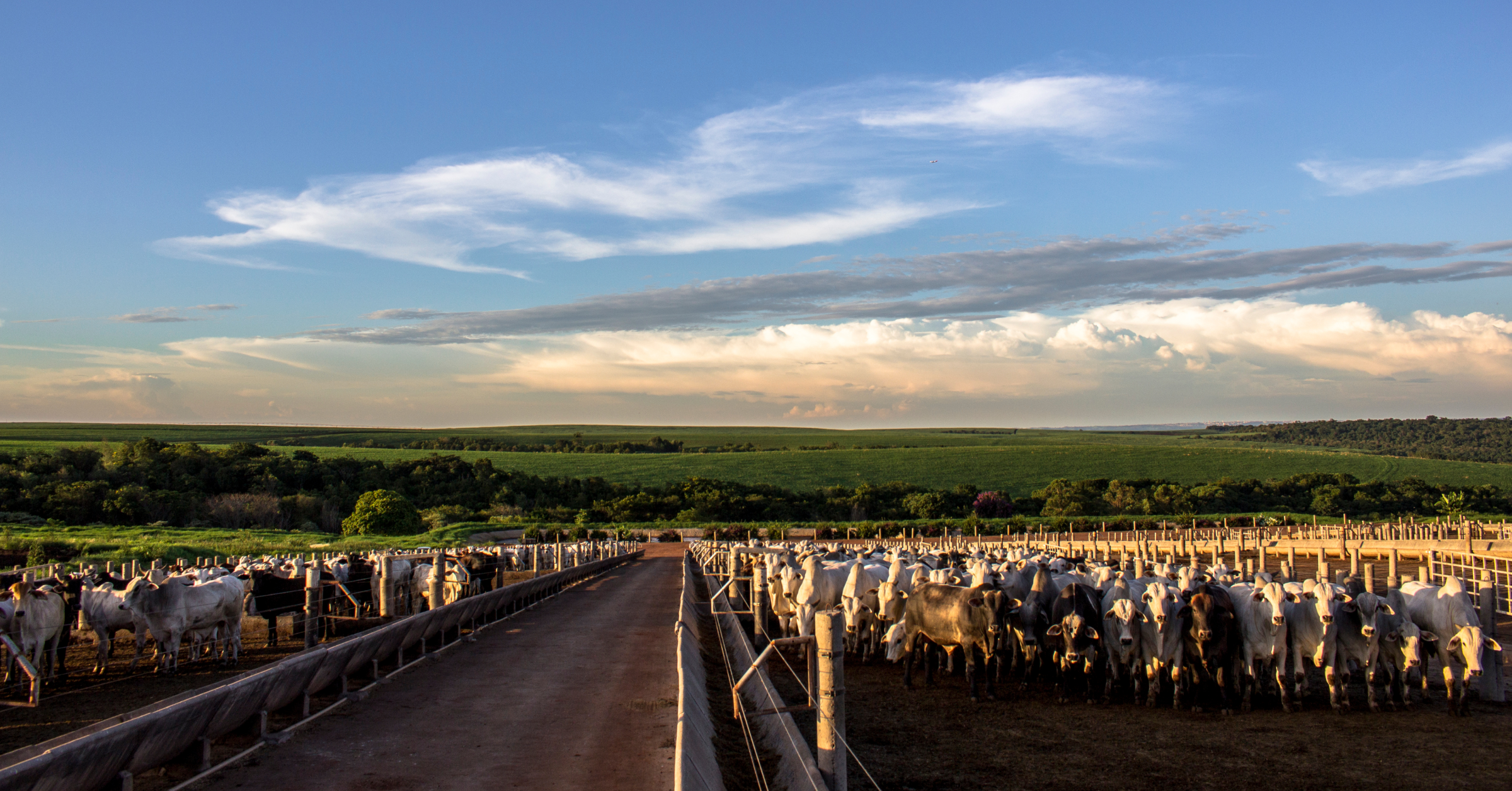


Cattle ranching involves several segments: cow‐calf herds raising calves, stockers/backgrounders grazing weaned calves, and feedlots finishing cattle for market. In each case, the goal is to efficiently turn forage and inputs into beef. But at the end of the day, ranching is a business, not just a lifestyle; profit depends on careful cost control, scale, and management efficiency.
The 2025 outlook presents opportunities and challenges. U.S. cattle and calf receipts are forecast to increase $17.7 billion (15.7%) to reach $130.6 billion, driven by the smallest U.S. cattle herd since 1951. Fed steer prices are projected to average $214.51 per hundredweight annually. Yet production expenses continue climbing, and the cattle cycle’s inevitable downturns mean today’s conditions won’t last indefinitely.
This guide examines profit drivers, revenue streams, cost control, business planning, small-ranch strategies, and regenerative practices for building resilience.
What Defines Cattle Ranching?
The conventional cattle system operates through three segments, each with distinct economics.
- Cow-calf producers breed cows and sell weaned calves at 500 to 600 pounds, typically at seven to nine months. This segment requires the most land and labor but lower capital intensity.
- Stocker or backgrounding operators purchase weaned calves and graze them on pasture for approximately five months, adding 200 to 300 pounds before selling to feedlots.
- Feedlot operations finish cattle on high-grain rations until they reach 1,200 to 1,400 pounds, the most capital-intensive segment with margins heavily influenced by grain prices.
How Profitable Is the Sector?
Profitability varies widely. Recent analysis shows average profit margins in cow‐calf ranching are slim, while the very top operations can exceed 15% net return. For example, one case of a 300‐cow spring‐calving ranch (85% calf crop, 550‑lb weaned calves at about \$2.50/lb.) would gross roughly \$1,160 per cow and net on the order of \$210–\$220 per cow before overhead.
In that same example, revenue was \$1,029 and direct costs \$584, leaving \$444 gross return/cow. But once land and labor costs (another \$400 per cow) are included, net profit shrank to only about \$44 per cow. This illustrates the razor‐thin margins: many full‐cost studies find small positive or even negative returns in an average year.
Industry surveys confirm this mixed picture. One study of cow‐calf herds found the sector’s average return on assets was slightly negative (–1.5%), meaning many ranches barely broke even or lost money, while the top 20% of managers achieved returns near +10%.
So, your ranch’s profitability depends critically on calf-crop percentage, weaning weights, stocking rates, input cost control, and market timing. The difference between top and bottom quartile operations often determines whether you build wealth or deplete equity.
Profitability Metrics: Margins, Per-Acre Profit & Risk
Understand how margins, per-acre profit, and market risk shape your ranch’s financial health and what you can control to stay profitable.
Margins & Per-Cow Economics
Understanding your cattle ranching profit margin requires breaking down per-cow economics. At its simplest, ranch profit comes down to (Price × Pounds Sold) – Costs per cow. A useful way to see this is with a per‑cow budget. Consider a well-managed spring-calving operation: estimated costs include $125 for hay, $35 for minerals, $25 for veterinary/medicine, $40 for breeding, and additional expenses, totaling approximately $305 in direct cash costs before accounting for land, labor, and fixed costs.
With a steer/heifer average of 550 pounds selling at $2.20 per pound, gross revenue reaches $1,210 per calf. With an 85% calf crop, you generate $1,029 per cow. After subtracting direct costs, you net approximately $724 per cow. However, it doesn’t account for land rent, labor, equipment depreciation, and interest. So, focus on inputs returning at least $1.50 for every dollar spent.
Profit Per Acre & Economies of Scale
Scale dramatically affects cattle ranch profit per acre. Total economic costs for U.S. cow-calf production ranged from $910 per cow for operations with 500+ cows to $2,099 per cow for operations with 20-49 cows, a 130% cost difference driven primarily by labor efficiency.
Your carrying capacity, acres required per breeding female, directly impacts cattle ranch profit. Increasing capacity through water development, improved fencing, and managed grazing typically costs less than purchasing land. Better grazing management can add $150-$250 or more per head to profitability.
Economic Risk & the Cattle Cycle
Input costs have risen significantly while cattle prices haven’t increased proportionally, meaning production models that were profitable years ago may now lose money. The cattle cycle drives long-term volatility: high prices incentivize herd expansion, eventually increasing supply and depressing prices.
Meanwhile, the U.S. cattle inventory reached 86 million head in 2025, the lowest since 1951, with continued low supplies through 2026 expected to drive record prices before declining through 2031. Successful ranchers adjust proactively, building financial reserves during profitable periods.
Core Revenue Streams: How Do Ranches Make Money?
Livestock sales are the foundation of ranch revenue. Here are the main cattle‐related streams, each with its own math:

Cow-Calf (Calf Sales)
The typical income source for ranchers. Profits hinge on cow productivity: pregnancy rate, calving rate, and weaning weight. Best‐case, a cow weans 0.85–0.90 calf at 550–600 lb. If calves sell for \$2.20–\$2.50/lb, that’s \$1,200+ gross per cow. After paying feed, pasture, and care, that often leaves only a few hundred dollars net per cow (or less), as we saw above. Meanwhile, timing matters as selling calves in fall versus spring can capture different markets. Keeping replacement heifer costs low, culling infertile cows, and improving genetics also protect this revenue stream.
Stocker/Backgrounder Sales
If you run a stocker program, income comes from the gain you add. For example, purchasing 400-lb calves and grazing them to 700 lb adds 300 lb/calf. Your profit is (700 lb × sale price) – (400 lb × purchase price) – grazing costs. Margins here are typically thinner than cow-calf, and feed/grass costs are critical. If your gain costs stay below about \$590 per steer, stocker operations can be profitable; if feed costs are higher, margins disappear. Many cow‐calf ranches outsource this phase, selling calves at weaning rather than feeding the risk themselves.
Feedlot/Backgrounder Profit
Farmers selling feedlot-finished cattle (fat cattle) must consider the corn/grain cost versus the premium for marbling. Profits depend on feed conversion and market basis. In general, high feed prices can turn a once-profitable feedlot margin negative. Detailed margin analysis with integrated cost tracking helps you model scenarios before committing cattle to finishing. Still, the key is to only finish cattle if you expect enough weight gain premium to cover about 6-7 months of feed.
Direct-To-Consumer and Value-Added Sales
Many ranchers supplement income by selling meat directly to consumers under niche labels or by retaining ownership further down the chain. Direct sales can significantly boost gross revenue per animal, because customers pay retail prices rather than commodity prices. As per analysis, ranchers can earn the equivalent of \$2,000+ net per animal through direct selling (processing at ~$7/lb) vs. ~$1,600 from the sale barn. Margins on these enterprises can exceed 30–40% if marketing is done well.
Breeding Stock and Value Programs
Selling premium bulls, replacement heifers, or embryos can be lucrative if you have top genetics. High-end bulls regularly sell for \$10,000–\$50,000 at purebred sales. While most ranchers sell commercial calves, some develop boutique genetics or participate in programs to add revenue. These sales are sporadic but can significantly raise the average revenue per cow. Likewise, participating in branded programs often pays small premiums on a per-pound basis and can improve cash flow in certain years.
By-Products and Miscellaneous
Secondary revenue streams add incremental profitability. Marketing composted manure, selling surplus hay, offering custom grazing services, or leasing bulls generates thousands to tens of thousands annually. Profitable ranches combine multiple income sources rather than depending solely on calf sales.
How Do Ranches Make Money Beyond Cattle?
To stabilize income, most profitable ranches tap non-cattle revenue streams. Here are key examples of diversified ranch income streams and their typical returns:
| Income Stream | Considerations | Example Earnings Potential |
| Calf sales (cow-calf) | Sell weaned calves; profit depends on calf-crop %, weight, and market price | $388 per cow return to land and labor; $138 true profit after opportunity costs |
| Stocker | Buy calves, graze 5 months, sell to feedlot | Profit depends on the cost of gain vs. price appreciation; 5-month cash flow |
| Direct meat sales | Sell finished beef to consumers; requires USDA processing | $6-$10/lb for grass-fed; $2,040 potential profit per steer after processing |
| Breeding stock | Sell registered bulls, replacement heifers | Premium pricing based on genetics and performance documentation |
| Value-added programs | Preconditioning, branded-beef participation | $18.41/cwt premium (≈$100 per 550-lb calf) |
| Hunting leases | Lease land for deer/exotic hunts | Variable by location, habitat quality, and game species |
| Grazing leases | Rent unused pasture to neighbors | Passive income; rates vary by region and forage quality |
| Agritourism | Weddings, ranch stays, educational tours | Thousands per event; requires insurance and marketing |
| Government programs | CRP, EQIP conservation payments | 50-75% cost-share plus annual payments |
| Carbon credits | Payments for soil carbon sequestration | Emerging market for regenerative practitioners |
In practice, combining several streams makes a ranch more resilient. It means a ranch might operate a cow‐calf herd, lease part of its range to local graziers, collect a hunting lease in the fall, and sell hay or participate in a carbon program.
Even small amounts, like a summer family farm tour or selling bales of hay, can pad margins. The key is aligning diversification with your resources.
Cost Management & Operational Efficiency to Boost Ranch Profits
Controlling costs is just as important as boosting revenue. Here are some top strategies:
Maximize Grazed Forage
Feed less, graze more, which fundamentally drives cattle ranch profit. Better grazing management and minimal hay use can add $150-$250 or more per head to profitability. Shifting cows and calves from hay/feed to well‐managed pasture grazing can save lots. It includes rotating cattle through paddocks to let grass recover, stockpiling forage for winter, and extending grazing seasons. Also, calculate the cost per pound of gain from different feed sources by tracking what animals eat and how much weight they add, as in most climates, pastures win on dollars per pound over purchased grain.
Streamline Labor & Overhead
Many ranchers run 800–1,200 cow equivalents per full‐time worker. If labor is tight, you need the scale to justify it. On small operations, keep things simple: reduce herd handling requirements and cut unneeded costs. Consider contracting out tasks like hay baling or mineral mixing if it’s more efficient. With extra hands, focus them on value-add tasks like breeding, grazing management, and avoiding administrative bloat.
Herd Management & Genetics
A productive, efficient herd cuts costs. Culling unproductive cows (old, sick, or poor producers) reduces feed waste. Tracking individual cow performance data helps you identify which animals drain resources and which consistently produce quality calves, making culling decisions data-driven rather than guesswork. Develop heifers economically so they calve by 2 years old and stay in the herd.
A well‐planned culling program produces a tight calving season with uniform calves, which sell better. Invest in bulls with proven genetics for good fertility, growth, and maternal ability, as better genetics pay in more pounds of calf per cow and improved marketability.
Financial Cost Control
Keep debt manageable. High interest eats profit. Pay attention to price fluctuations in inputs: lock in long‑term fertilizer contracts, buy feed when prices dip, and hedge cattle prices if possible. Maintain an emergency fund or line of credit for unexpected shocks. Finally, track every expense closely through comprehensive record systems that capture every input, from hay purchases to veterinary visits, organized by enterprise and time period. Early detection of cost overruns lets you adjust before profits evaporate.
Business Planning & Financial Management for Your Ranch
Think of your ranch as a business, not a hobby. Create a written business plan or annual budget that covers all income and expenses.
Set clear profit goals and break down the numbers: how many cows, what calf prices, what costs can you afford? Use whole‑farm budgeting templates to forecast scenarios. Strong practices include:
- Separate Business & Personal Accounts: Keep ranch money separate by setting up dedicated financial tracking systems that automatically categorize ranch income and expenses independently from household finances. It helps you see actual profit and loss. If ranch and household funds mix, it’s easy to drift into a lifestyle operation with no margins.
- Benchmark & Track KPIs: Track key metrics monthly like pregnancy rate, calving rate, weaning weight, cost per cow, revenue per cow, interest expense, etc. Compare them to past years or neighbor averages through visual dashboards that reveal patterns in your operation over time. Benchmarking against similar ranches can spotlight where you’re lagging.
- Evaluate ROI & Cash Flow: Before buying new bulls, equipment, or land, run the numbers. Will that bull generate enough extra calf weight to pay back its cost? Will a center‐pivot pay for itself? Remember, even profitable enterprises need positive cash flow. Avoid plans that tie up capital without short‑term returns.
- Use External Expertise: Don’t hesitate to work with extension agents, ag lenders, or farm accountants. In many regions, cooperative extension services offer free business planning help for ranchers. Also, professional advice on taxes can preserve bottom‑line dollars.
Essential Strategies for Small & New Ranches
Starting or running a small ranch brings its own rules for profitability:
- Start Simple, Low Overhead: If you’re new or have a small acreage, don’t over-invest at first. Begin with a modest herd and minimal equipment. Use primarily natural grazing and own-produced hay instead of pricey purchased feed. Small ranchers often depend on off-farm income, so they live reasonably and reinvest profits. Avoid fancy facilities until you have a track record of profit.
- Match Herd to Resources: Don’t try to raise too many cattle on limited land. Overstocking forces more hay feeding and hurts gains. Instead, optimize carrying capacity: good fencing, water points, and grazing management can allow more animals on the same acres than doing nothing. If one type of forage doesn’t thrive, consider alternatives.
- Leverage Niche and Education: Small producers often succeed by finding a niche such as grass-fed beef, agritourism, or seedstock sales, where a premium can offset their lack of scale. Focus on quality and customer service rather than volume. Also, continually educate yourself through producer meetings, webinars, or workshops. Learning from veteran ranchers and adapting proven practices can accelerate profitability.
Conclusion
Cattle ranching can be profitable, but only when you manage it like a business. With rising land, feed, and labor costs, most ranches survive on tight margins, making efficiency, diversification, and financial discipline essential. The ranches that stay profitable are the ones that track every dollar, monitor key metrics, and adjust quickly when markets shift. That’s why having the right financial tools matters. If you want clearer budgets, accurate cost tracking, and real-time insight into your ranch’s performance, deploy an accounting solution for your ranch. It’s built to help you make smarter decisions and keep your ranch profitable year after year.Ready to improve profitability? Schedule a consultation call with our Agtech experts to discover how you can transform your ranch operations with a digital solution.