

Raising beef cattle is one of the most rewarding ventures in agriculture, but it is also one of the most demanding. You are managing a living, breathing business where every decision, from genetics and grazing to health protocols and market timing, directly affects your bottom line. Whether you are a first-generation rancher sizing up your first herd or a seasoned producer looking to sharpen your operation with modern tools, this guide is built for you.
The U.S. beef cattle industry is massive, with 86.2 million head of cattle and calves on American farms as of January 2026, according to USDA NASS. Yet the national beef cow herd continues to contract, creating tight supplies and historically strong prices. That combination makes right now one of the best entry points and retention points for serious beef producers.
This guide walks you through everything from choosing a production model and budgeting your first year to managing nutrition, breeding, health, and technology. Think of it as a roadmap from buying your first calf to scaling a profitable, tech-enabled agribusiness.
Is Raising Beef Cattle Profitable? Understanding the Market
It is the first question every aspiring rancher asks, and the honest answer is: it depends. Profitability in beef cattle farming hinges on your ability to keep overhead low, feed efficiency high, and your marketing strategy sharp. It is absolutely a business, not just a lifestyle.
- The beef market moves in predictable cycles. The USDA Economic Research Service describes an 8–12 year cattle cycle of expansion and contraction driven by producer decisions, calf crop numbers, and cattle prices.
- As of 2026, the U.S. is near the bottom of the current contraction phase. Beef cow numbers have declined for seven consecutive years since the 2019 peak. Fewer cows mean fewer calves, tighter supplies, and higher prices.
- The 2025 calf crop was estimated at just 32.9 million head, down 2% from the prior year. That squeeze is pushing feeder steer prices to record highs, with USDA ERS projecting record cattle prices in 2026.
For producers already in the game, that is a strong revenue environment. For those looking to enter, buying replacement heifers and feeder cattle will be expensive, but the margin potential on the selling side is equally compelling.
The takeaway: Raising cattle for beef is profitable when you treat it as a business. Track every cost, invest in feed efficiency, and time your marketing decisions to the cycle. The producers who struggle are the ones treating the operation like a hobby.
Choosing Your Beef Cattle Farming Model
Before you spend a dollar on cattle, you need to decide which production lane fits your land, capital, and risk tolerance. Beef cattle farming breaks down into three distinct models, and each has different labor demands, cash flow timelines, and profit structures.
Cow-Calf Operations
This is the foundation of the beef cattle industry. You maintain a breeding herd of cows, breed them annually, and sell the weaned calves. Revenue comes once or twice a year when calves go to market. The labor intensity spikes during calving season, often in late winter or early spring, when you may be checking heifers every two hours around the clock. This model suits producers with ample pasture, patience, and a long-term mindset. It is also where strong breeding management pays dividends over time.
Stocker and Backgrounding
If you are new to beef cattle raising, stocker operations are often the best entry point. You buy weaned calves (typically 400–600 pounds), grow them on forage for several months, and sell them to feedlots at heavier weights. The capital outlay per head is lower than maintaining a cow herd, and your risk window is shorter. The key to profitability here is cheap forage and maximizing pounds of gain per acre.
Finishing / Feedlot
Feedlot operations take cattle from backgrounding weight to market-ready slaughter weight (typically 1,250–1,400 pounds) using high-energy grain-based rations. This model has the highest feed costs but the fastest cash flow turnaround. If you are running a feedlot, optimizing your feedlot operation with precise bunk management and health monitoring is non-negotiable.
Raising Beef Cattle for Beginners: What You Need Before Buying
The single biggest mistake beginners make is buying cattle before the infrastructure is ready. Cattle arriving at bare ground, broken fences, or no water access is a recipe for escaped animals, injuries, and financial loss. Here is what to have in place first.
Assessing Land and Carrying Capacity
Your land can only support a finite number of animals. The industry standard for measuring this is the Animal Unit (AU), where one AU equals a 1,000-pound cow with a calf. An Animal Unit Month (AUM) is the amount of forage one AU needs for 30 days. In productive pasture regions, you may need only 2–3 acres per cow. In arid rangelands, that number can jump to 20 acres or more. Always consult your county extension office for local stocking rate recommendations before committing to a herd size. For a deeper walkthrough of setup logistics, our guide on how to start a cattle farm business covers the step-by-step process.
Fencing, Water, and Shelter
Reliable fencing is your first infrastructure priority. Barbed wire is the traditional choice and remains cost-effective for large perimeters. High-tensile smooth wire offers durability and lower maintenance for permanent boundary fences. Electric fencing, either temporary or semi-permanent, is the backbone of rotational grazing systems and the most flexible option for subdividing pastures.
Water is non-negotiable. A mature beef cow drinks 10–20 gallons of water per day, and more during summer heat or lactation. You need dependable sources, whether that is a well, pond, spring, or municipal supply, with contingency plans for drought. Natural shade or simple run-in shelters protect cattle from heat stress and severe weather.
Essential Handling Equipment
Safe cattle handling requires the right equipment. At a minimum, you need a set of holding pens for sorting and processing, a crowding tub or alleyway to funnel cattle forward, and a squeeze chute for vaccinations, deworming, and veterinary work. Curved chutes and solid-sided alleys reduce stress by working with the natural movement patterns of cattle, keeping both you and the animals safer.
Selecting the Right Cattle Breeds for Your Climate
Your breed choice affects everything from carcass quality and market price to how well your cattle handle your local climate. Here are three of the most popular beef breeds and what they bring to the table:
- Angus: The dominant breed in the U.S. beef industry. Known for exceptional marbling, which drives premium prices under Certified Angus Beef programs. Angus cattle are moderate-framed, easy-calving, and adaptable to a range of climates.
- Hereford: Valued for their docility, strong foraging ability, and longevity on grass. Herefords are a solid choice for extensive pasture-based operations. Their white faces make calves easy to identify at auction, and their temperament reduces handling stress.
- Brahman Crosses (F1s): If you operate in the Gulf Coast, Southeast, or any hot, humid environment, Brahman-cross cattle offer superior heat and pest tolerance. Crossing Brahman with Angus or Hereford combines tropical hardiness with carcass quality.
When buying cattle, prioritize reputable local breeders over auction barns whenever possible. Look for bright eyes, a sound gait, good body condition, and a clean vaccination history. Crossbreeding can combine desirable traits like marbling, growth rate, and climate adaptability, giving you what geneticists call hybrid vigor.
The Cost of Raising Beef Cattle: Budgeting and Break-Evens
Feed is the single largest expense in any cattle operation. According to research, feed expenses comprise roughly 75% of operating costs for cow-calf producers. That includes harvested forages, grazed forage, purchased hay, and any supplemental feed.
With forecasted cow-calf operating costs of approximately $1,044 per head in 2026, understanding where every dollar goes is critical.
Here is a general breakdown of annual per-head expenses:
| Expense Category | Estimated % of Budget |
| Feed and Hay | 55–65% |
| Veterinary and Vaccines | 8–12% |
| Minerals and Supplements | 3–5% |
| Infrastructure Maintenance (Fencing, Water, Facilities) | 8–10% |
| Marketing, Hauling, and Processing | 5–8% |
| Labor, Fuel, and Miscellaneous | 8–12% |
Calculating Your Break-Even: For stocker operations, the formula is straightforward:
Total Costs ÷ Total Pounds of Gain = Break-Even Cost per Pound of Gain.
For cow-calf operations, divide your total annual cow cost by the number of calves weaned to get your break-even cost per calf. Comparing that figure to current market prices tells you whether your operation is making money or losing it. Tracking these numbers digitally using livestock management software eliminates spreadsheet chaos and gives you real-time visibility into your margins.
Nutrition and Feeding Strategies for a Healthy Herd
A veteran cattleman once said: “You aren’t just growing cattle; you’re growing grass.” Nutrition drives every performance metric, from conception rates to weaning weights to finishing gains. Feed is also your biggest cost lever, so getting it right is both a health decision and a financial one.
Rotational Grazing Management
Moving cattle through a series of paddocks, rather than letting them continuously graze one large pasture, is one of the most impactful management decisions you can make. Continuous grazing systems typically utilize only 30–35% of available forage, while well-managed rotational systems can harvest 50–75% from the same acres. Giving paddocks 20–30 days of rest during the growing season allows plants to regrow, deepens root systems, and breaks parasite life cycles. For beef cattle, aim for 1–3 day paddock moves for best results.
Winter Feeding and Mineral Supplementation
When grazing slows down, hay quality becomes everything. Always test your hay for nutrient content, particularly crude protein and Total Digestible Nutrients (TDN), because visual appearance alone is unreliable. Store hay off the ground and under cover to reduce the 25–30% losses common with unprotected outdoor storage. Free-choice mineral supplementation should be available year-round, with formulations matched to your region’s soil deficiencies. For a detailed look at ration formulation, review our guide on how to balance cattle feed rations.
Body Condition Scoring (BCS)
Body Condition Scoring is a free, hands-on tool that gives you a standardized snapshot of your herd’s energy reserves. The beef BCS scale runs from 1 (emaciated) to 9 (obese), and a target score of 5–6 at calving is critical for strong rebreeding rates. If cows are slipping below a 5, your nutrition program needs adjustment before calving season arrives. Our in-depth resource on cattle body condition scoring walks you through the scoring process and how to digitize your records for trend analysis.
Herd Health, Welfare, and Biosecurity
Reactive health management is expensive health management. The producers who spend the least on veterinary emergencies are the ones who invest the most in prevention.
Preventive Vaccinations and Parasite Control
Work with your veterinarian to build a vaccination schedule tailored to the diseases common in your area. Respiratory diseases like IBR, BVD, and PI3 are leading causes of death loss in young cattle, and vaccinating before stress events like weaning or shipping dramatically reduces risk. Parasite control through strategic deworming and rotational grazing keeps internal parasites in check without building resistance.
For newborn calves, follow the 1-2-3 colostrum rule: colostrum from the dam, within the first 2 hours of life, and at least 3 liters. Colostrum delivers the antibodies a calf needs to survive its first weeks, and timing is everything because gut absorption drops sharply after 12 hours.
Establishing Biosecurity
Every new animal brought onto your property is a potential disease vector. Quarantine all new arrivals for a minimum of 30 days, during which you observe for signs of illness, administer vaccinations, and deworm before integrating them into the main herd. Restrict visitor access to livestock areas, clean shared equipment between groups, and consider digital health records and remote temperature sensors to flag problems early.
The Veterinarian Relationship
Establishing a Veterinary-Client-Patient Relationship (VCPR) is non-negotiable for any serious operation. A VCPR means your veterinarian has sufficient knowledge of your animals to make medical decisions, including prescribing medications that require a Veterinary Feed Directive (VFD). Beyond prescriptions, a good vet becomes a strategic partner in your health program, helping you interpret data, set vaccination protocols, and respond to emerging disease threats.
Breeding, Calving, and Weaning Management
Reproduction is the engine of profitability in a cow-calf operation. Every open cow, every day added to your calving season, and every calf lost at birth represents real money left on the table.
Planning the Breeding Season
Define a controlled breeding season of 60–90 days to tighten your calving window. A shorter calving season produces a more uniform calf crop, which sells better at market and simplifies herd management. Select bulls with strong fertility, proven genetics, and a breeding soundness exam performed within 60 days of turnout. A good bull can sire 25–60 calves per season and should be viewed as a long-term investment. For producers using artificial insemination or embryo transfer, our resource on livestock breeding strategies covers advanced reproductive tools in detail.
Calving Management and Weaning
Monitor first-calf heifers closely; they account for the majority of assisted births. Provide clean, dry bedding in calving areas, and have calving supplies ready: OB chains, a calf puller, colostrum replacer, and your vet’s after-hours number.
When it is time to wean, fence-line weaning, where calves remain adjacent to their dams separated only by a fence, reduces stress compared to abrupt separation. Calves settle faster, begin eating sooner, and experience fewer health setbacks. After weaning, decide whether to sell, retain as stockers, or move into a finishing program. Align your vaccination and nutrition plan accordingly for the next stage.
Leveraging Technology and AgTech
Smart ranchers are the ones who stay ahead by integrating technology in their cattle farming operations. It not only simplifies your daily tasks but also provides you with clear visibility into the hidden areas of your livestock operations.
Digital Record-Keeping and Herd Management
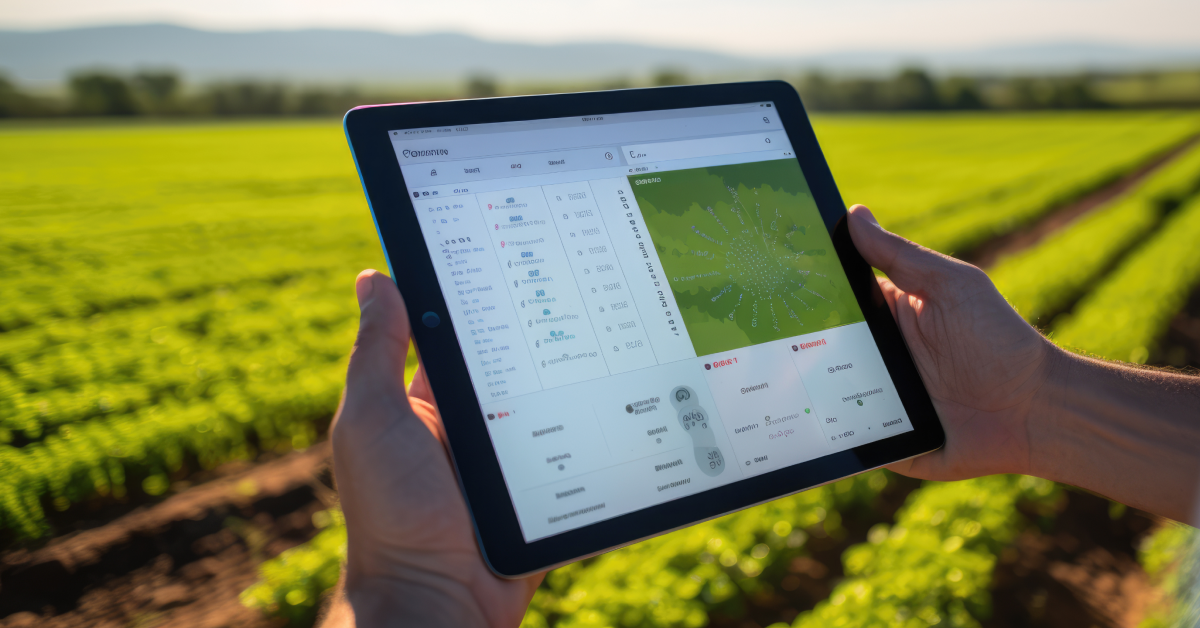
- Paper records and memory do not scale. Modern beef producers are moving to a comprehensive farm ERP software that centralizes livestock management with breeding schedules, health records, weight data, inventory tracking, and financial reporting in one platform.
- Tools like Cattlytics offer features such as cattle records and lifecycle management, breeding management, health monitoring, and pasture mapping that transform scattered data into actionable, profitable insights.
- Satellite imagery and AI-driven advisory systems are bringing real-time pasture health assessment, weather forecasting, and even carbon emission tracking to ranch-level operations.
- Blockchain traceability systems offer proof of origin and ethical practices, meeting growing consumer demand for transparency.
Automation and Precision Tools
Remote water monitoring and automatic feed delivery systems reduce daily labor. Electronic ID (EID) tags paired with automatic weighing scales capture performance data every time an animal passes through a chute.
Drones for livestock management are rapidly becoming practical tools for pasture inspection, calving surveillance, and fence-line checks. Integration with accounting tools like QuickBooks streamlines financial tracking. If you are just getting started, explore cattle management apps that are designed for simplicity and scale up as your herd grows.
Kickstart Building a Profitable, Sustainable Beef Operation
Raising beef cattle profitably comes down to many small, consistent decisions executed well over time. Choose the right production model for your resources. Conduct a thorough land and infrastructure audit before buying a single animal. Invest in preventive health and nutrition. Practice rotational grazing. Plan your breeding season and keep it tight. Build enterprise budgets, not just mental estimates, and maintain contingency plans for when the market or the weather turns against you.
Explore diverse marketing channels, build a brand around your story, and adopt technology early. The producers pulling ahead today are the ones combining proven husbandry with digital tools that give them real-time visibility into every corner of their operation.
Ready to take the guesswork out of your operation? Discover how cattle management software can streamline record-keeping, breeding, health tracking, and financial management for your ranch. Schedule a free demo today!